Before & After: Dawn Reflections of the Washington Monument by Todd Henson

A before & after look at Dawn Reflections of the Washington Monument

Today we’ll look at a set of before and after images comparing the raw capture straight out of the camera with the final image after all post-processing. I’ll also show some of the steps that went into transforming the image from one to the other.

When shooting in a camera’s proprietary raw format the end result out of the camera is a digital negative that requires some level of processing to convert it to an image suitable for viewing or printing. Some of these steps can be very simple, resulting in very little changes to the look of the image. And others can drastically alter the look, better capturing the mood of the scene.

One of the first decisions I typically make in post-processing is whether or not to crop the image. Sometimes I don’t, preferring to keep the framing out of the camera. Other times I prefer a different aspect ratio, or I want to crop out sections that, to me, detract from the image. In this case I chose to crop out the stone sidewalk at the bottom of the frame, creating a more wide angle view.

You can click on most of the images for a larger view.

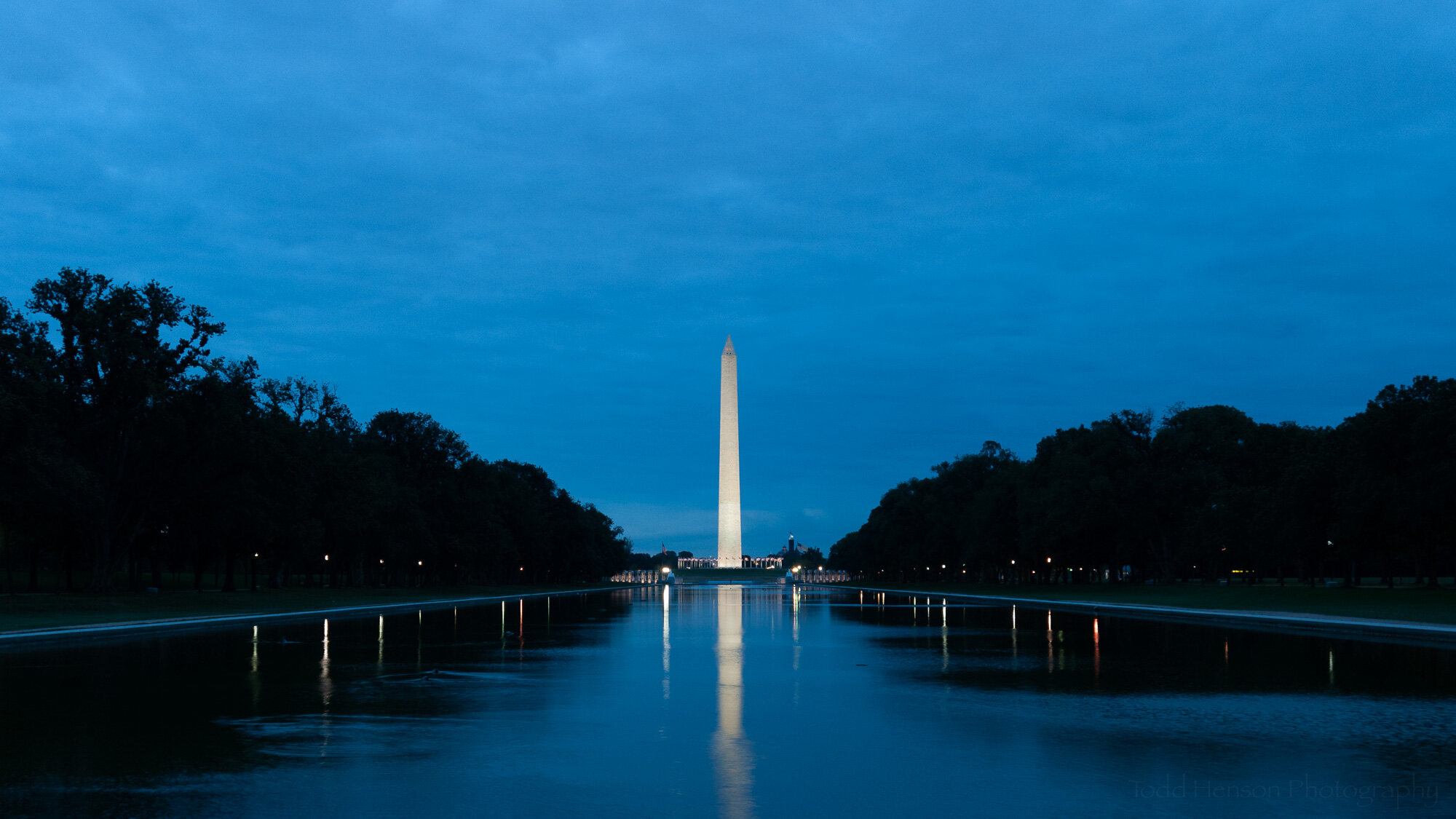
This is the original image, before cropping and post-processing.

This is the original image after cropping. I decided I didn’t like the stone sidewalk at the bottom of the frame.

I could have stopped right there, after cropping. I like that version of the photo. The blue light of early dawn created a great look. But I wanted something a little more dramatic. And the next step to getting there was adjusting the white balance and various other image-wide settings.

When I first started photographing with a digital camera I didn’t have a firm grasp of white balance so I almost always set it to auto and left it alone in post-processing. But slowly, over time, I grew to appreciate the power of adjusting the white balance settings. It can correct color casts or add some nice drama by shifting the colors just a bit. That’s one of the major steps I took to alter the look of this photo.

These were the white balance and basic settings before I adjusted anything.

Here’s what it looked like after my initial white balance and basic adjustments.

Next I looked at drawing more attention to the bright monument in the middle. That meant applying a couple graduated neutral density filters to the sky, gradually darkening it as it reached the top of the frame. I also applied a filter to upper left corner. That side of the frame was slightly brighter than the right corner and I wanted to balance them out a bit.

This is the first of three graduated neutral density filters I applied. The pink shows the area of effect. The adjustments applied to this filter area are on the right.

The first graduated neutral density filter wasn’t enough for me, so I added a second to the top of the sky. I didn’t adjust quite as many settings with this filter.

Finally, the left corner of the sky was a bit brighter than the right, so I added a graduated neutral density filter there to darken it just a bit, trying to balance it with the right corner.

I chose to brighten the monument to draw a bit more attention to it. To do this I masked out the monument and its reflection, increasing its exposure and tweaking several other adjustments. You can see the adjustments I applied to the mask on the right side of the image.

Here I used an adjustment brush to select the monument and reflection. I then brightened them and applied a few other adjustments, which you can see to the right.

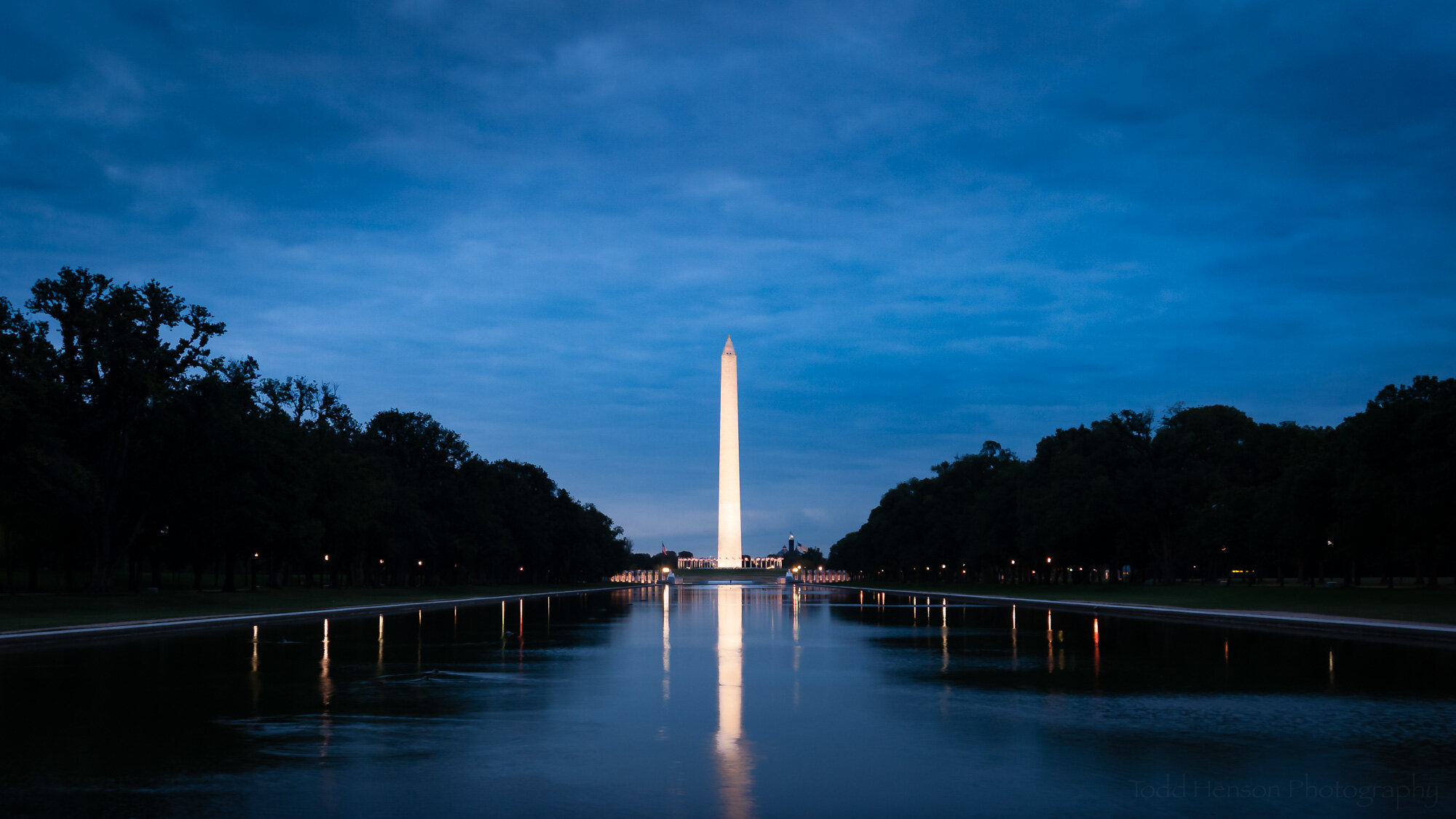
Finally, to really push the eye towards the center of the frame, I applied a vignette around the edges of the frame. In this case it was a reasonably strong vignette, but even a slight vignette can help drawn the eye inward, if that’s your intent. Click on the images below to cycle back and forth between the version without the vignette and that with. It’s easier to see the difference that way.
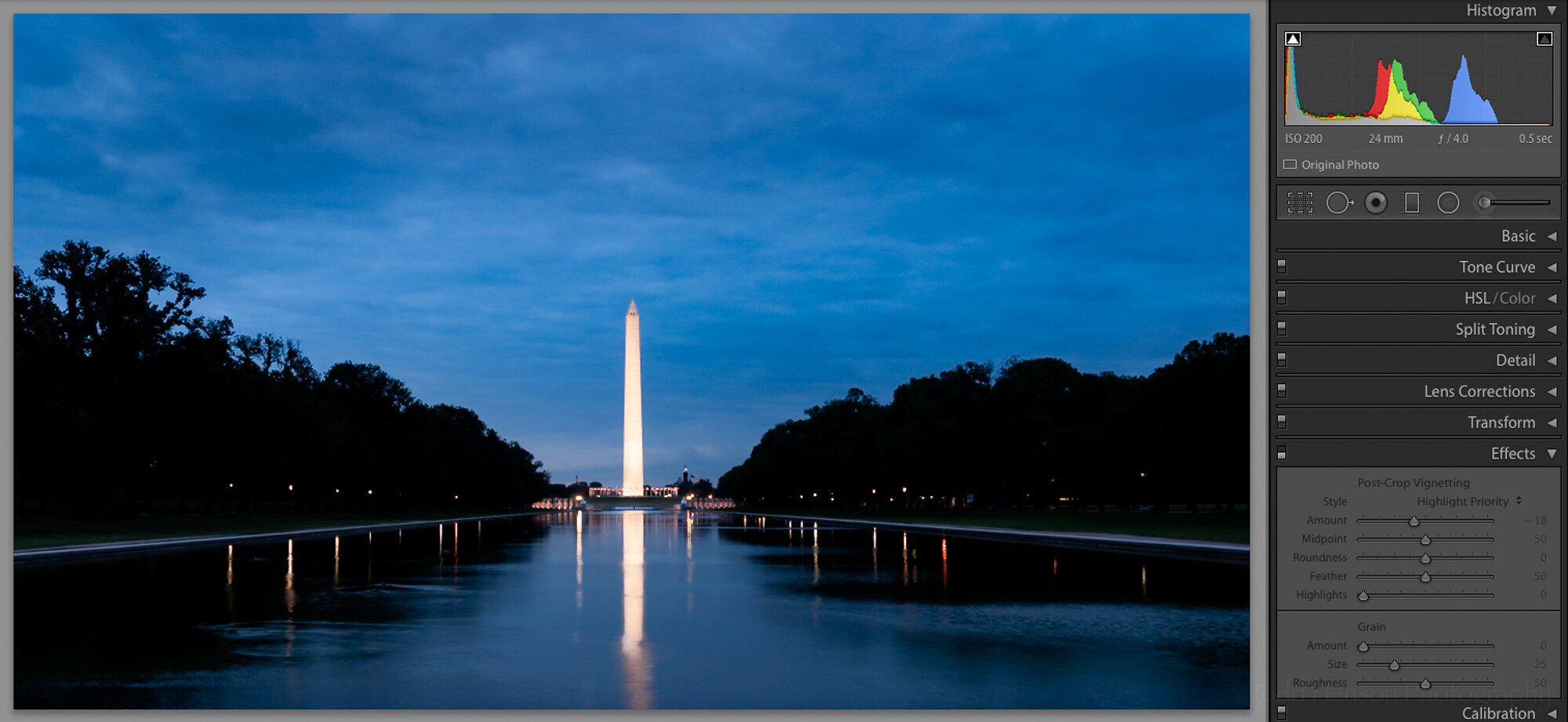
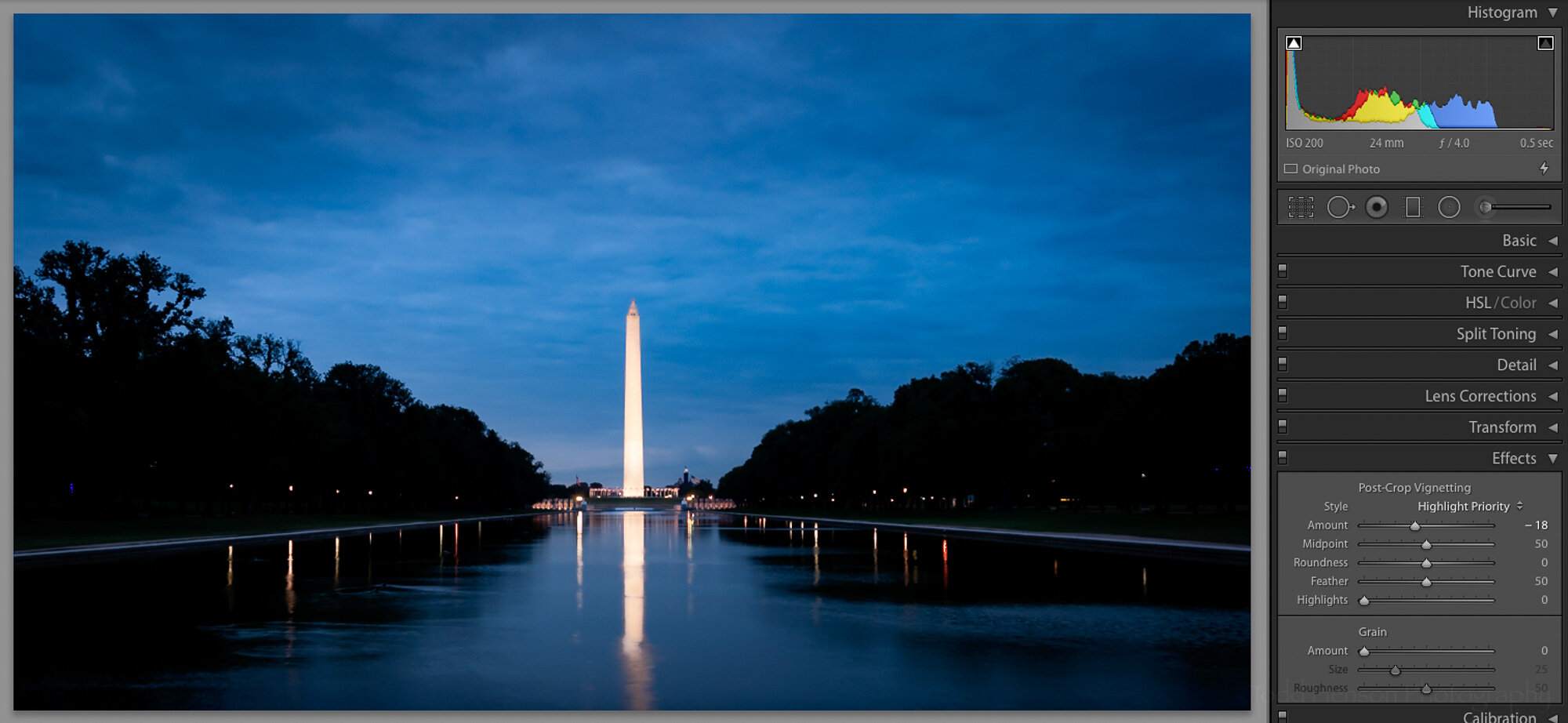
And so we arrive at the final image.

Click the image below to swap back and forth between the cropped before image and the after image. The changes made quite a difference, didn’t they?
What do you think? Would you have done anything differently? Thinking back there are a couple things I might have tried if I could go back to that day:

  • It might have been interesting to shoot a longer exposure, see if I could still the water a bit more, perhaps creating a more perfect reflection, though I do also like the movement in this reflection which was mostly caused by ducks swimming in the water.

  • If I’d owned a taller tripod at the time I might have raised it to its tallest setting. Doing that perhaps I could have included the entire reflection of the monument in the water.

Dawn Reflections of the Washington Monument


Do you enjoy these posts?

Sign up to receive periodic emails with updates and thoughts. Don’t worry, I won’t spam you. And please consider purchasing artwork or products from my online store, and using my affiliate links in the sidebar to the right when shopping online.

I appreciate your support!


Hanging With a Pewee by Todd Henson

Hanging with a pewee, an Eastern Wood-Pewee

Sometimes you’ll find birds foraging on the ground or through brush. Other times you’ll find them higher up in the trees, as with this juvenile Eastern Wood-Pewee. Apparently wood-pewees do tend to forage from higher perches with one study finding an average perch height of 35 feet. They’ll often favor a perch, flying off to catch insects then returning to the same perch.

We can tell this one is a juvenile by the coloration of its wing bars. As an adult they’ll take on a whiter color, but as juveniles they’re a paler brown. Another difference can be their bills, specifically the lower mandible. Adults usually have a pale orange lower mandible and a black upper mandible. Juveniles, though, can have completely dark bills without any visible orange, as we see with this one.

A juvenile Eastern Wood-Pewee resting on a perch up in a tree

This particular juvenile was observed in early July in a refuge that has a mix of wetlands areas, open water, wooded areas, and open fields. So it had plenty of habitat to explore, which is good as it’s breeding territory is typically from 2 to 6 acres. They are summer residents to most of the eastern United States, extending a short ways into southern Canada, migrating in during the spring migration to breed and nest, and out again during the fall migration. In the west is a similar species, the Western Wood-Pewee.

Pewees are a type of flycatcher, and as their name suggests, they hunt flying insects. All flycatchers are fun to watch when hunting. They might perch and watch, then dart out into the air, catch an insect in flight, and return to their perch. They will also eat various berries or small tree fruits.

Resources

I used the following books to research the Eastern Wood-Pewee. Links are to Bookshop.org, where a percentage of your purchase goes to support local, independent bookstores, and to Amazon. I do not have a relationship with Bookshop.org, but have purchased from them. As an Amazon Associate I earn from qualifying purchases.

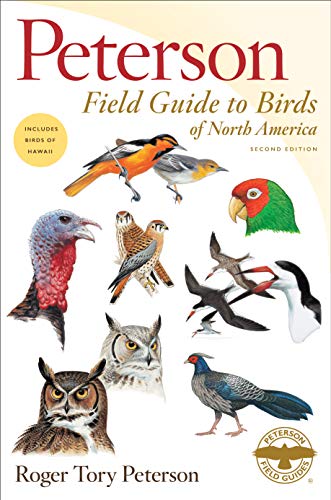
Peterson Field Guide to Birds of North America


National Geographic Complete Birds of North America


Wildlife of Virginia and Maryland and Washington, DC


Do you enjoy these posts?

Sign up to receive periodic emails with updates and thoughts. Don’t worry, I won’t spam you. And please consider purchasing artwork or products from my online store, and using my affiliate links in the sidebar to the right when shopping online.

I appreciate your support!

Looking Back: 8th Annual Asian Festival 2011 by Todd Henson

Destination Asia, the 8th Annual Asian Festival, held in July 2011 at George Mason University.

July of 2020 is not the best time to visit a crowded cultural festival, but around this time in 2011 it was. My brother and I attended the 8th Annual Asian Festival, held that year on July 23-24 at a new location on the campus of George Mason University in Fairfax, Virginia. We’d visited in past years when it was held, if memory serves, at the Reston Town Center. And though that was a great location, setting up in the parking lots of GMU gave them much more space.

My favorite part of the festival were all the live performances, some on stages and some right in the middle of the crowds. I tried to find locations that let me create pleasing photographs, but many times I was stuck in a location because of the large crowds, so I did the best I could where I was. I also very much enjoyed the food selections, but didn’t end up photographing any, and this time around we didn’t try as much as I’d hoped because it was so very hot that day we mostly just wanted cold drinks. This also means we didn’t stay as long as we’d liked. The heat and humidity had a way of sapping our energy. I’m so very impressed by those who performed in that weather.

One of the first events we stumbled across was a group of young martial artists performing on the ground. They cleared a space in the crowd and began performing. You can see some of the industrial sized fans the event had to help deal with the heat, though the one in the background wasn’t running at the time. These athletes were incredible, performing amazing acrobatic moves with and without weapons of various sorts.

Flipping completely upside down, a young athlete demonstrates her martial arts.

A martial arts display demonstrating the sword.

A martial arts performance with a wooden spear. He was close enough the tip of the spear is out of focus.

Shortly after this we watched a performance on stage with a group of beautifully clothed dancers with these long feathers flaring from their headpieces. Part of the stage was shaded from the sun, but part was in full sunlight. You can see the difference in the photos.

Illuminated by the sun, this dancer stands out against the background which is in shade.

I loved their colorful outfits and those long feathers flowing from the crowns on their heads.

When performing close to the background the dancers were in shade, providing a softer, more even lighting.

About a half hour later we had to move aside as a parade came through the section we were in. It was fun getting to photograph this from up close.

This parade was full of bright red outfits and big smiles.

Later we heard music and made our way to another stage where musicians were playing these incredible traditional stringed instruments. It was a really fascinating sound.

Musicians performed using traditional stringed instruments.

A cropped view showing just the strings and the musician.

Here we get a better view of the stringed instrument.

The final performance we watched was a group of young dancers on stage, wearing bright colors

The final performance was a group of young dancers in bright colors.

The dancers brought big smiles to go with their bright colors.

The final performance we watched at the Asian Festival.

We were only there a couple hours before we grew tired of the heat, humidity and crowds, but I really enjoyed that time, and I think we got to see a nice sampling of the performances. I hope you enjoyed this brief look back at this great cultural event.


Do you enjoy these posts?

Sign up to receive periodic emails with updates and thoughts. Don’t worry, I won’t spam you. And please consider purchasing artwork or products from my online store, and using my affiliate links in the sidebar to the right when shopping online.

I appreciate your support!