Pewee on a Perch by Todd Henson

An adolescent Eastern Wood-Pewee perched on an old stump.

In a previous post we learned pewee’s often perch up in a tree. But that doesn’t mean they always perch up high. Here we see a juvenile Eastern Wood-Pewee perching on an old stump. I think these are beautiful little birds, and I love the coloration of the adolescents, with the pale brown wing bars that typically turn white as they age.

This one was doing what birds are most often doing, out looking for food. But thankfully, it didn’t mind taking a short break and posing for the camera. Positioning myself with the sun at my back on a mostly clear day helped create that nice catch light in the eye, which always adds a little extra life to a portrait of an animal (or person).


Do you enjoy these posts?

Sign up to receive periodic emails with updates and thoughts. Don’t worry, I won’t spam you. And please consider purchasing artwork or products from my online store, and using my affiliate links in the sidebar to the right when shopping online.

I appreciate your support!

Aperture and Depth of Field with Cherry Blossoms by Todd Henson

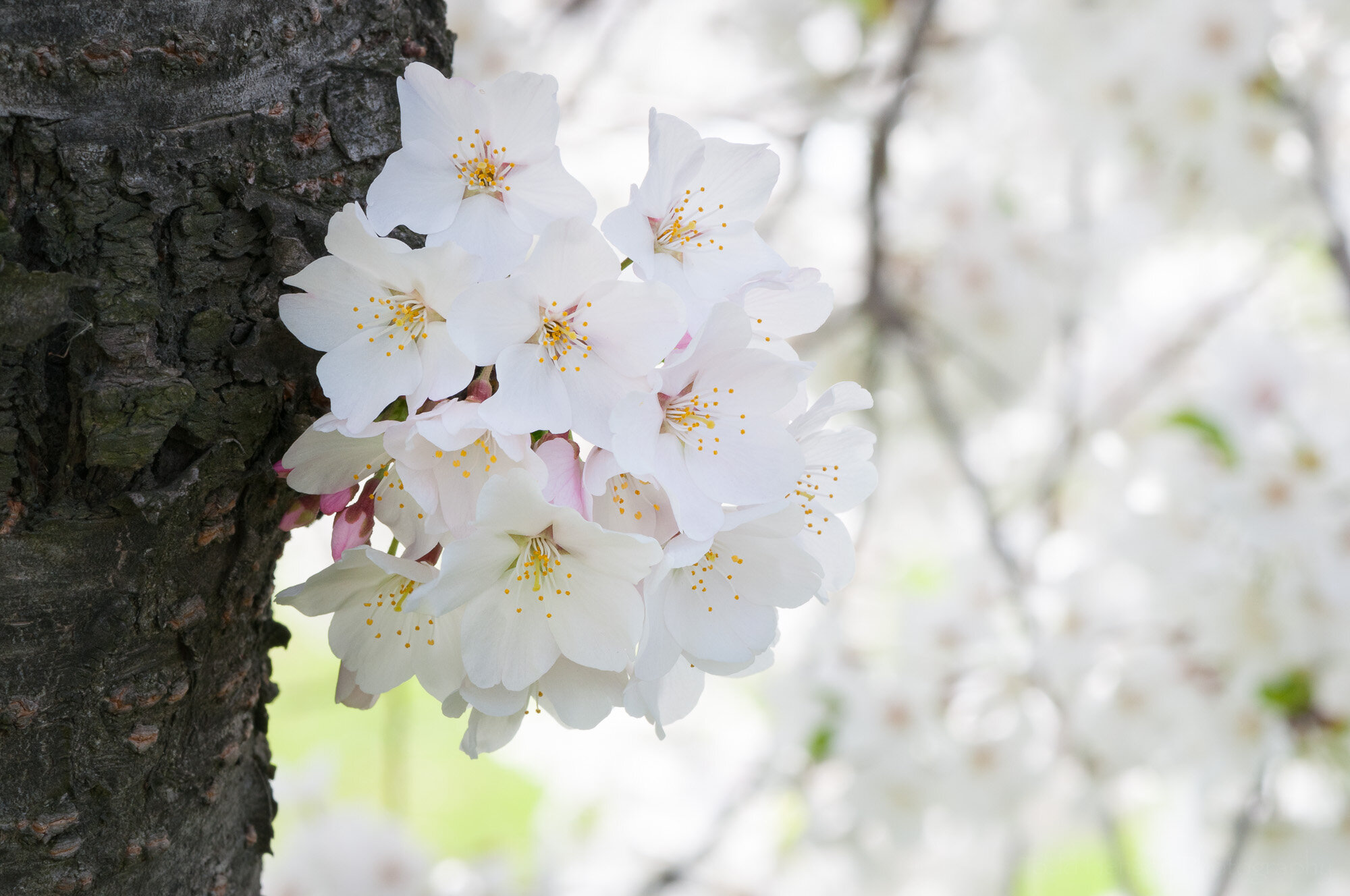
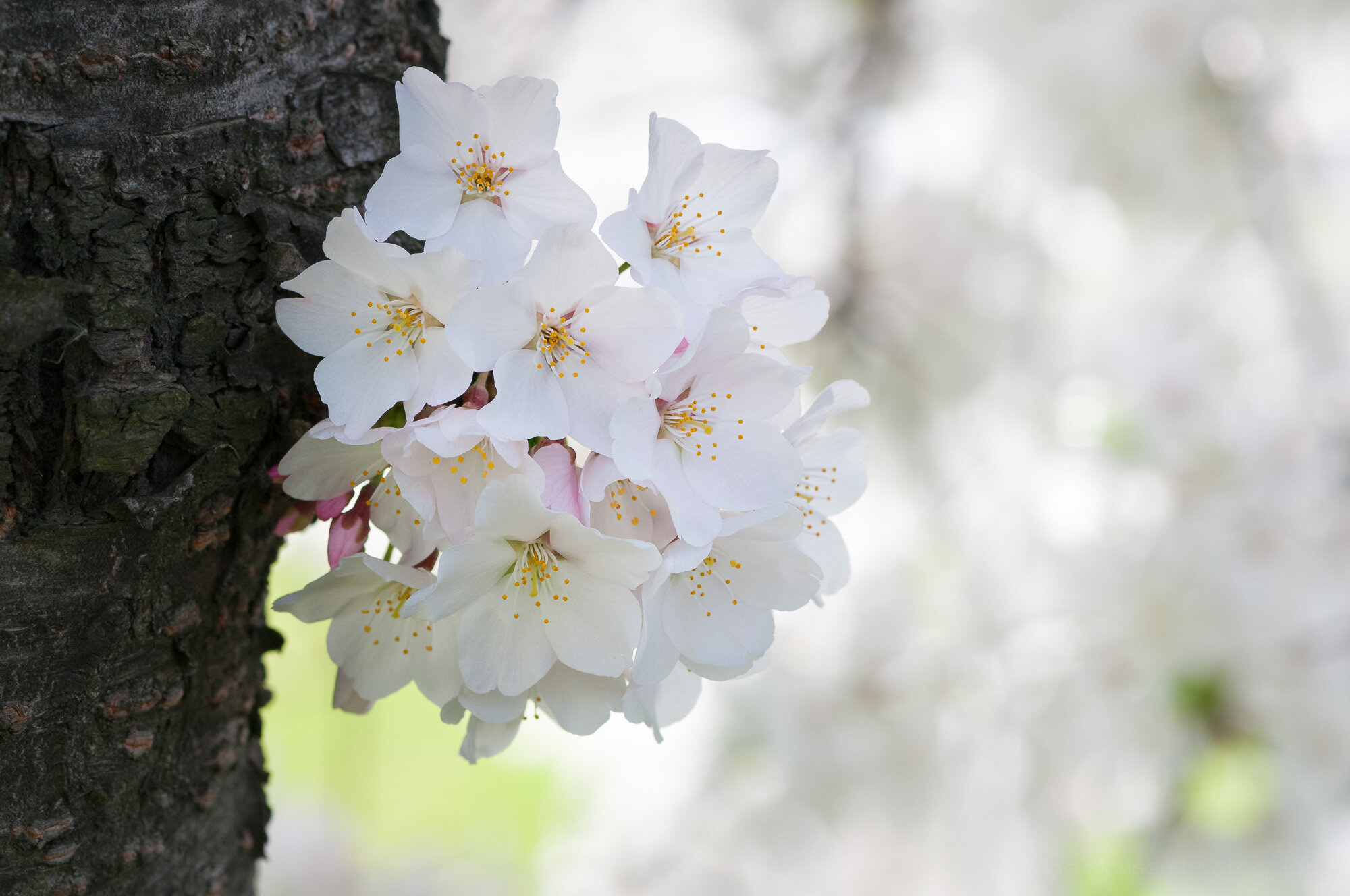
An example of aperture and depth of field with cherry blossoms.

One of the early concepts we learn as photographers is the relationship between aperture and depth of field. Aperture is the opening in the lens (or camera) that light travels through to reach the sensor or film. And with most lens/camera combinations you can adjust the size of this opening both to create the exposure you desire and based on the depth of field you desire for the photo.

Aperture

The aperture opening is measured in f-stops. I don’t want to get into too much technical detail with this post, but f-stops are represented with values like this: f/1.4, f/2, f/2.8, f/4, f/5.6, f/8, etc. The smaller the number the larger the aperture opening. So f/1.4 has a much larger aperture opening that does f/22, meaning much more light can enter the camera. This affects exposure, but it also affects depth of field.

Depth of Field

The depth of field is the amount of the photo that is considered acceptably sharp, with everything outside the depth of field getting progressively less sharp or more blurry. When it comes to the relationship between aperture and depth of field, the larger the aperture opening (the smaller the f-stop value) the less depth of field, meaning less of the photo will be in focus. Conversely, the smaller the aperture opening (the larger the f-stop value) the more depth of field, meaning more of the photo will be in focus.

Cherry Blossom Examples

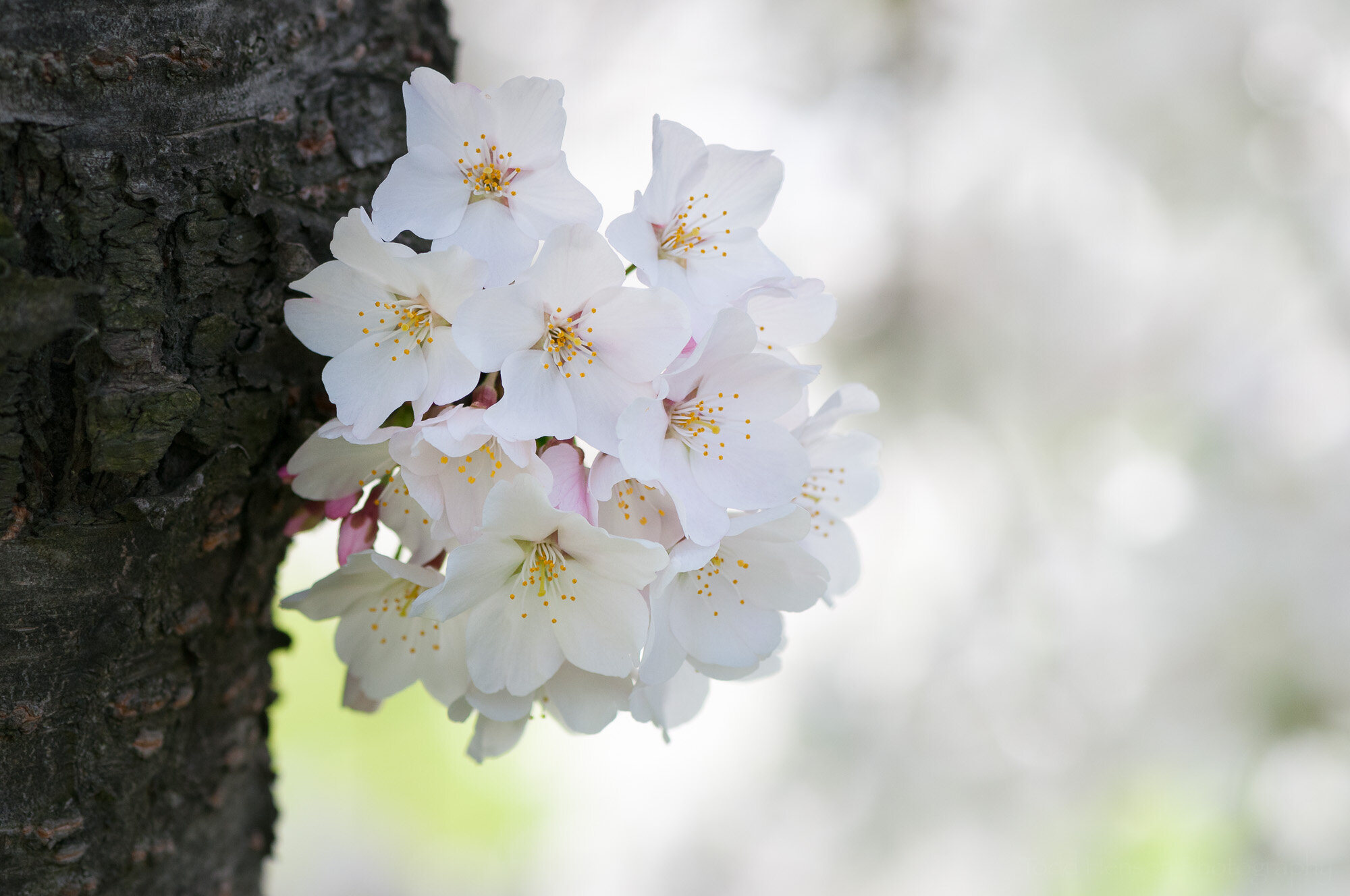
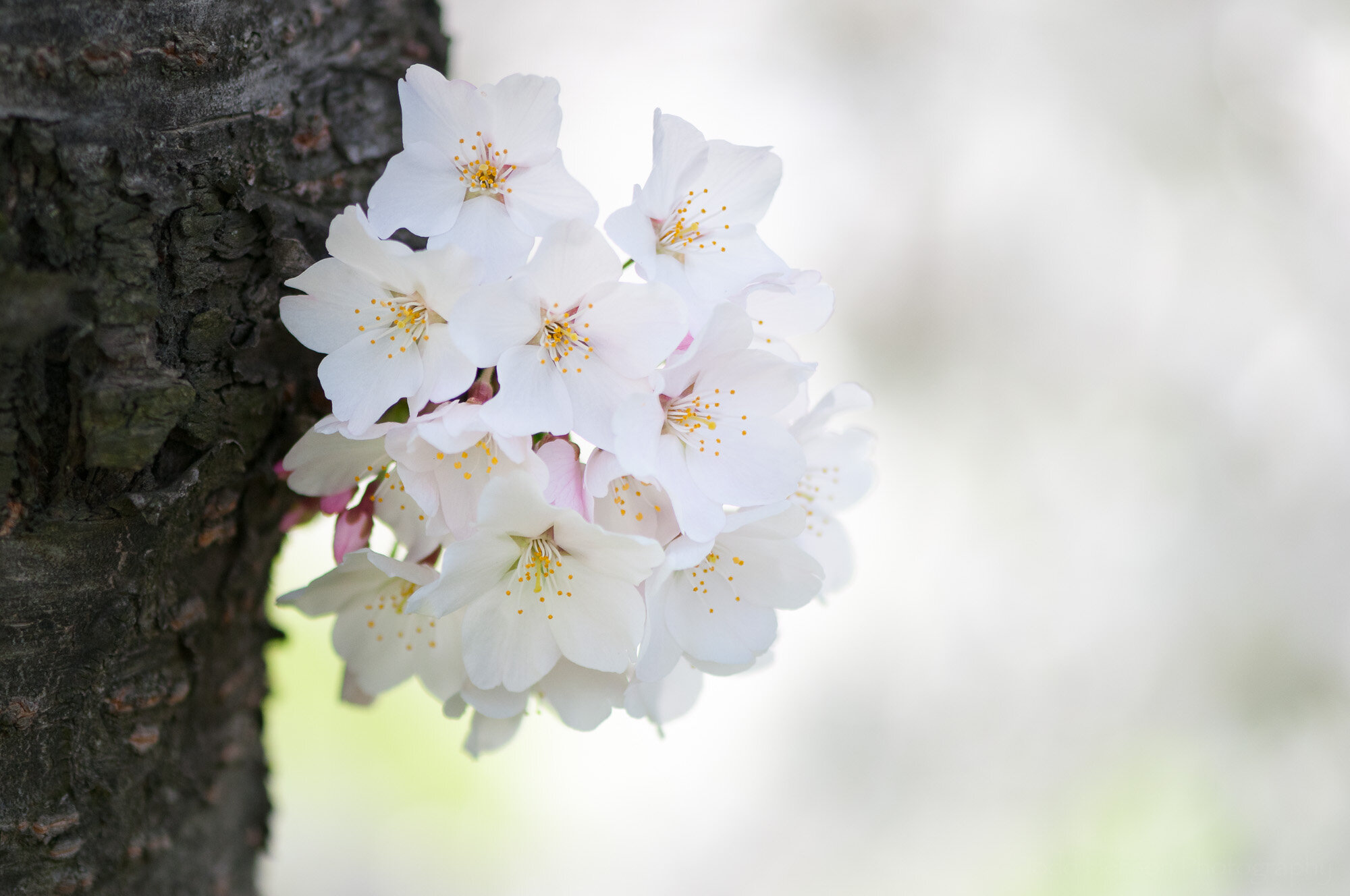
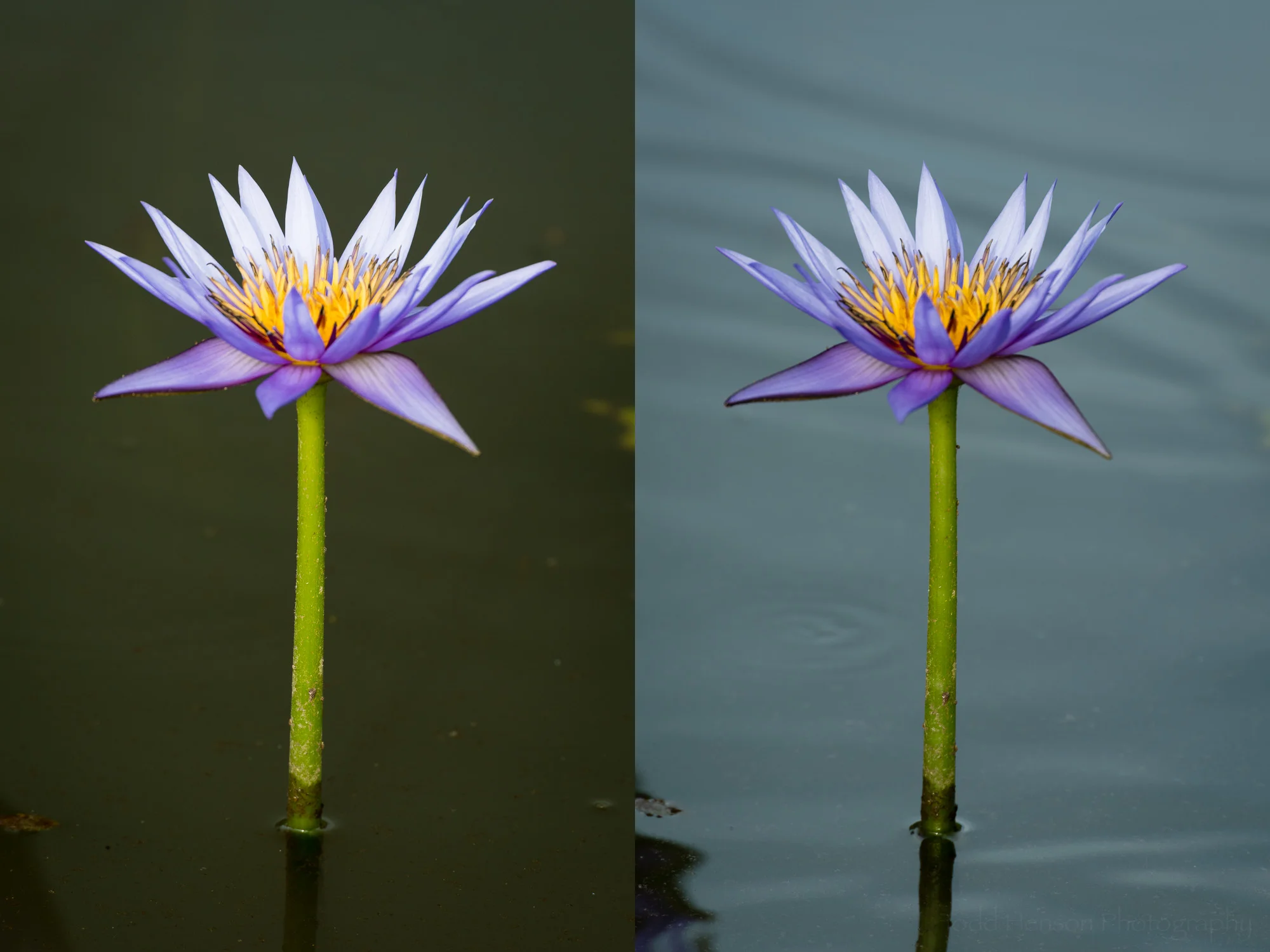
You can see an example of this in the photo at the top of the post and duplicated just below. The top portion of the photo has an aperture setting of f/3. You can see the background is very out of focus. The bottom portion has an aperture setting of f/16. You can see the background is still out of focus, but less so. Artistically, which do you prefer? There’s no right or wrong answer, just personal preference. And knowing how to adjust the aperture to give you the depth of field you want lets you be more creative with your photography.

The top half has an aperture opening of f/3 with shallower depth of field, the bottom half has an aperture opening of f/16 with more depth of field.

Click the images below to step through photos created with different aperture openings. Notice the differences in the look of the background, and even sometimes the foreground as the aperture opening gets larger, letting in more light but resulting in less depth of field.

Lens and Still Life Examples

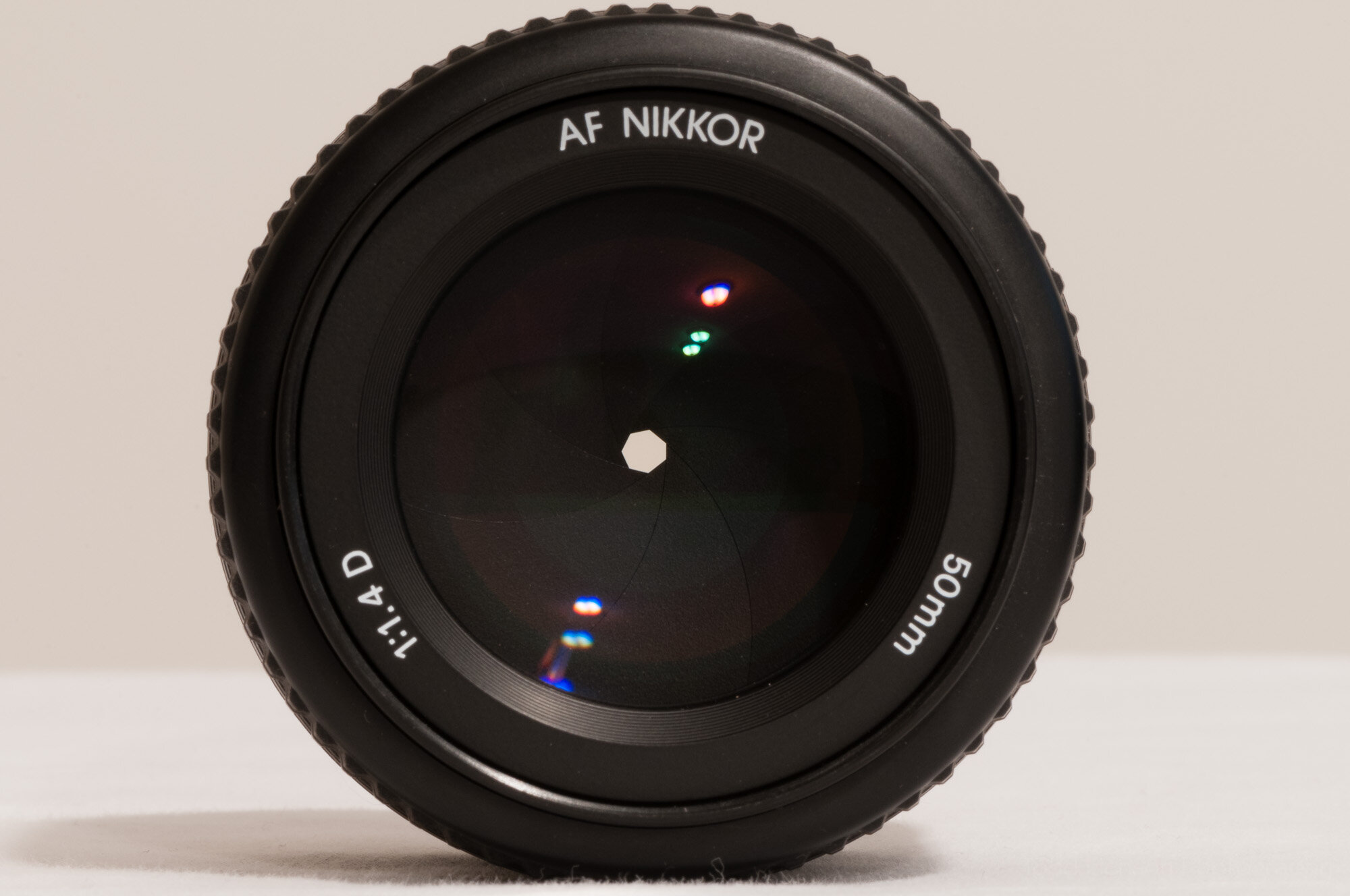
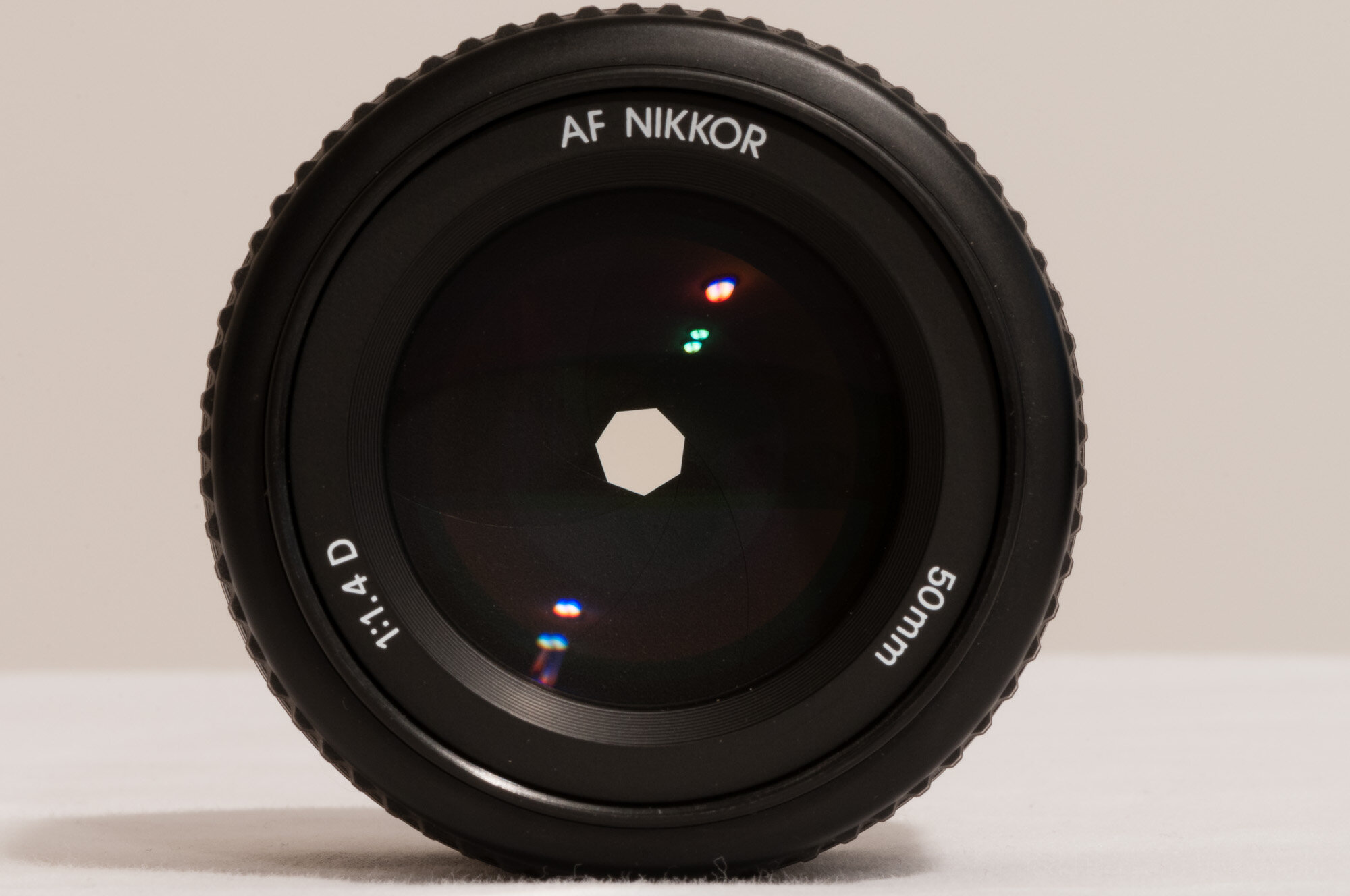
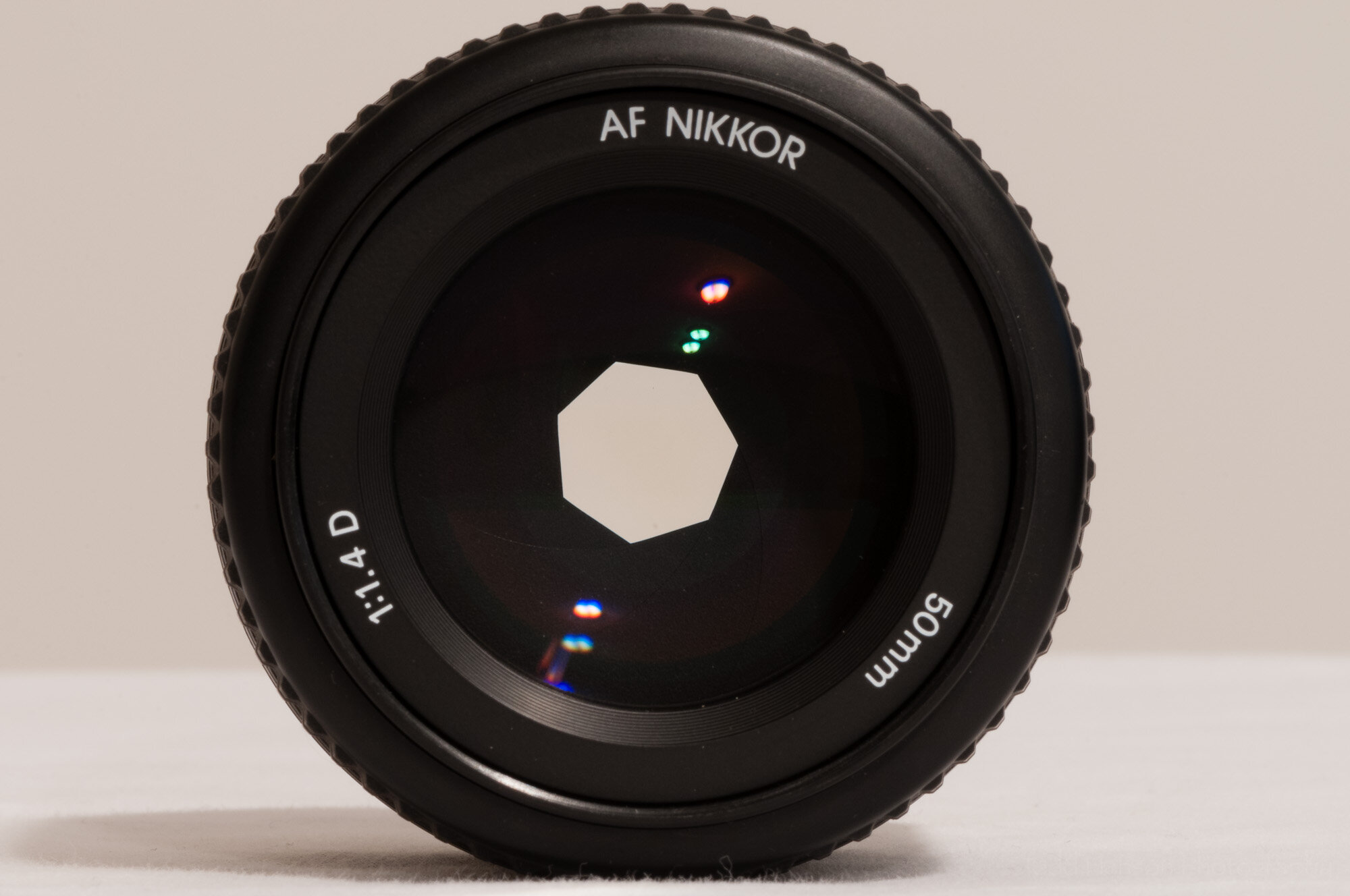
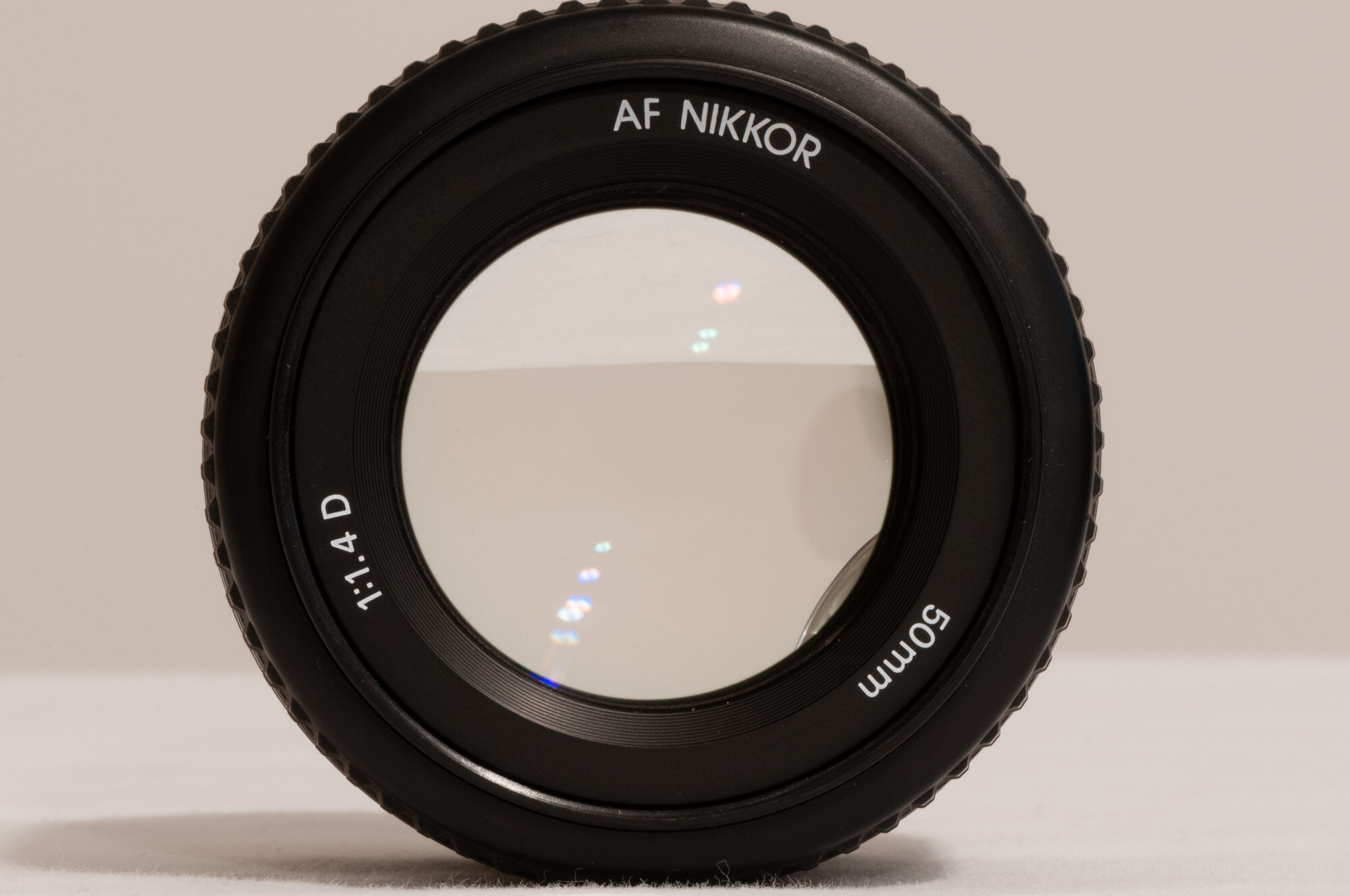
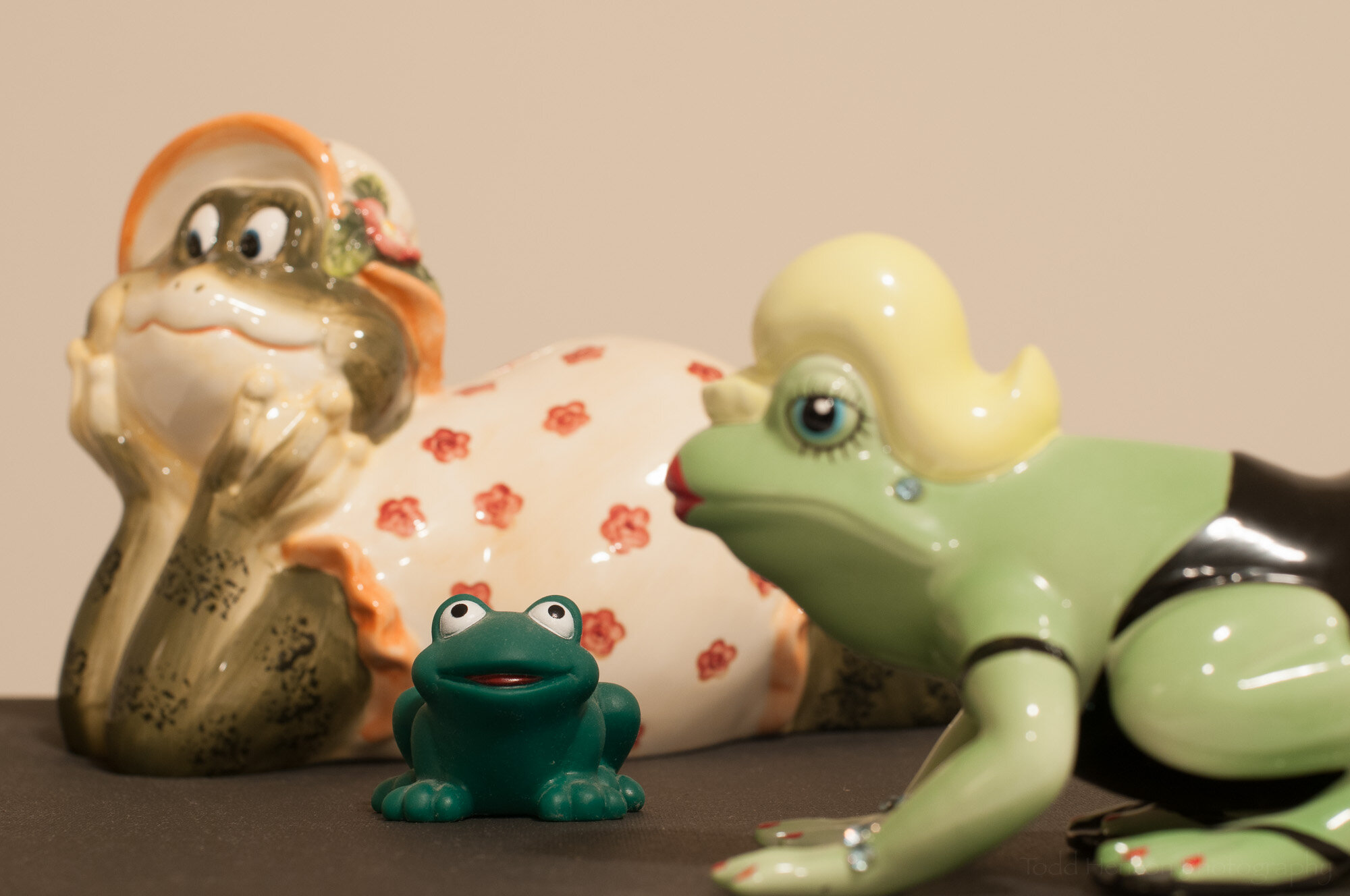
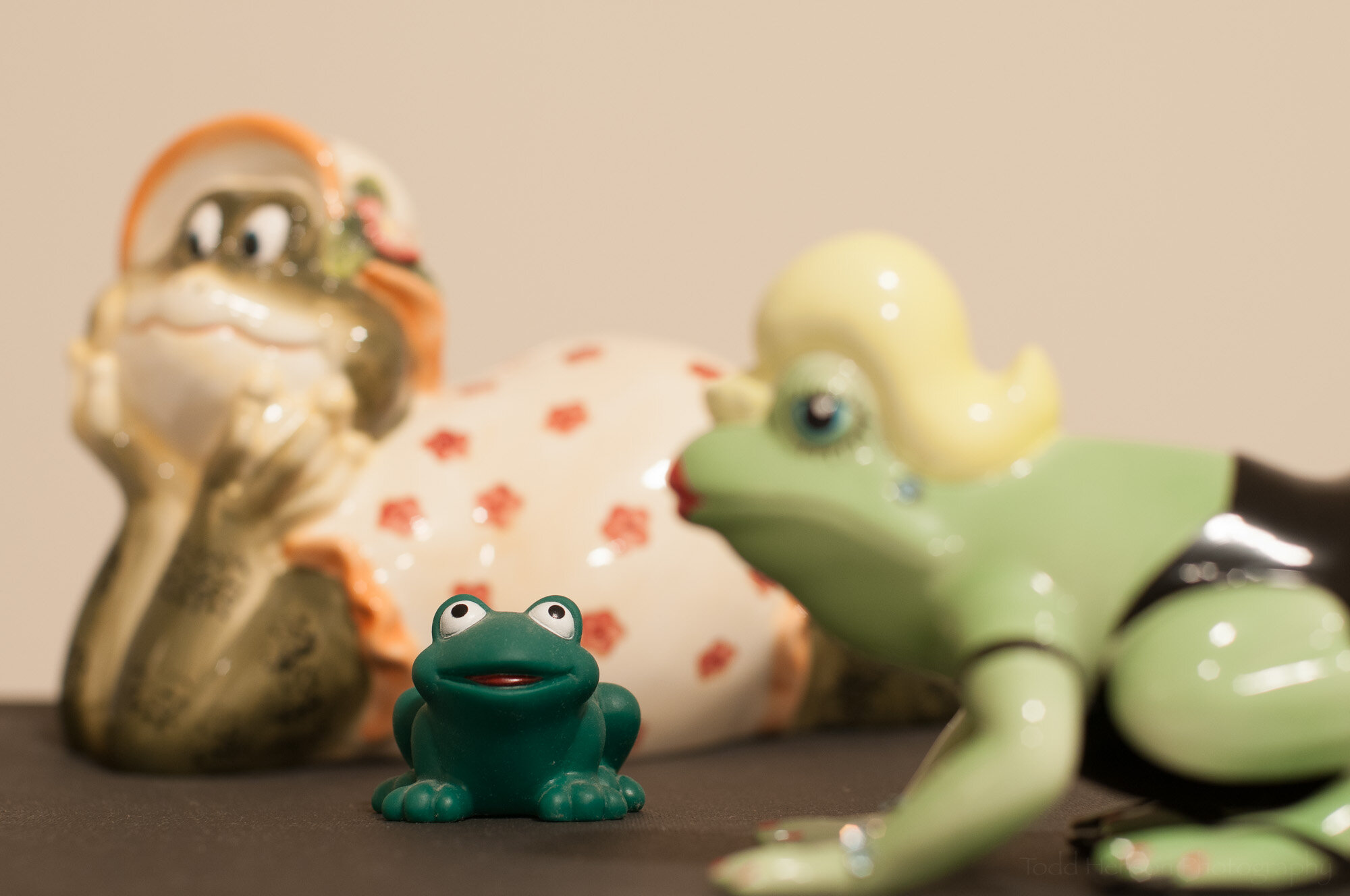
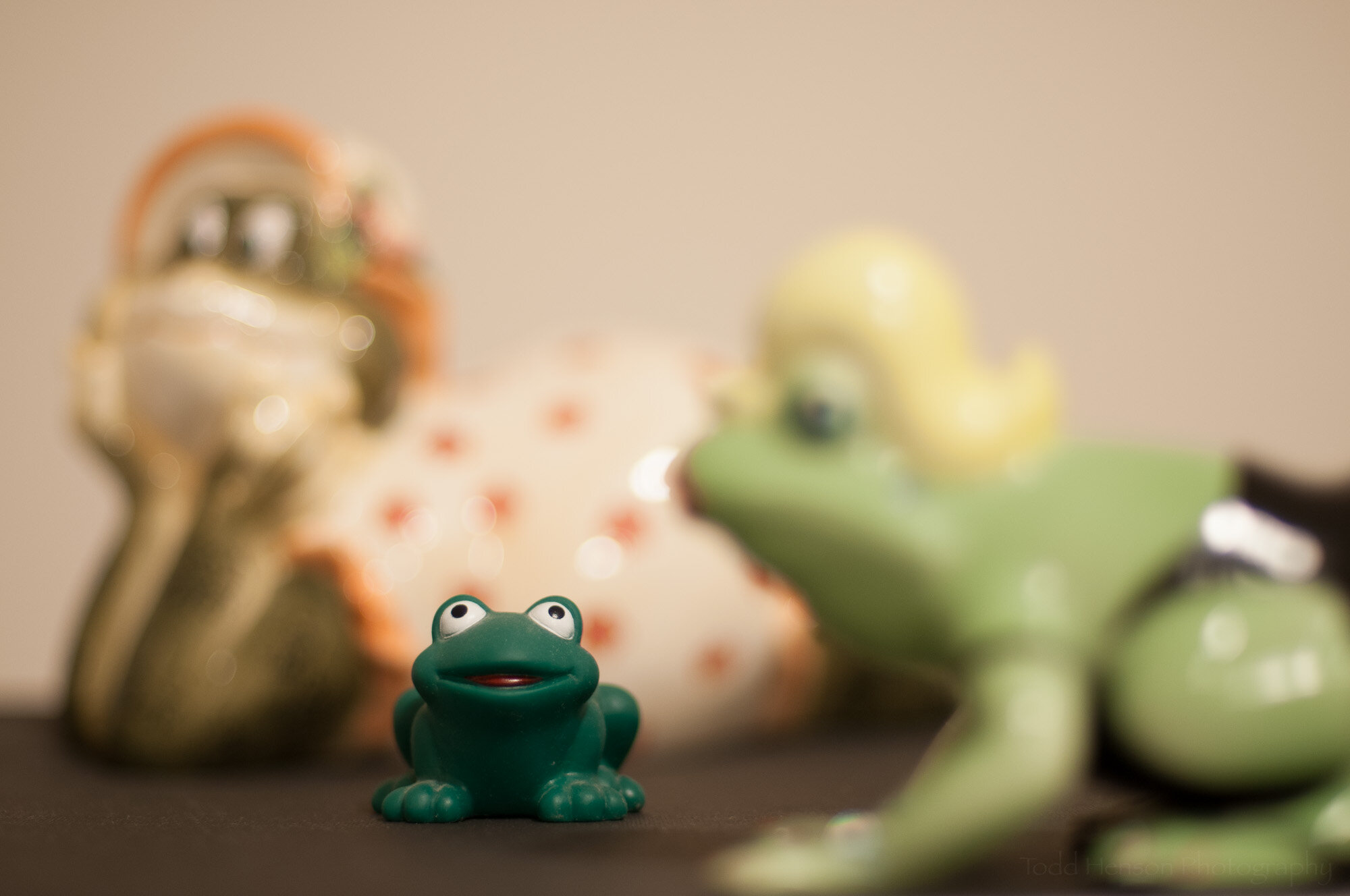
And just to help demonstrate this further we’ll take a step away from cherry blossoms and look at an example using some still life subjects. First, below is an example of what the aperture in the lens actually looks like at different f/stop values using a 50mm lens.

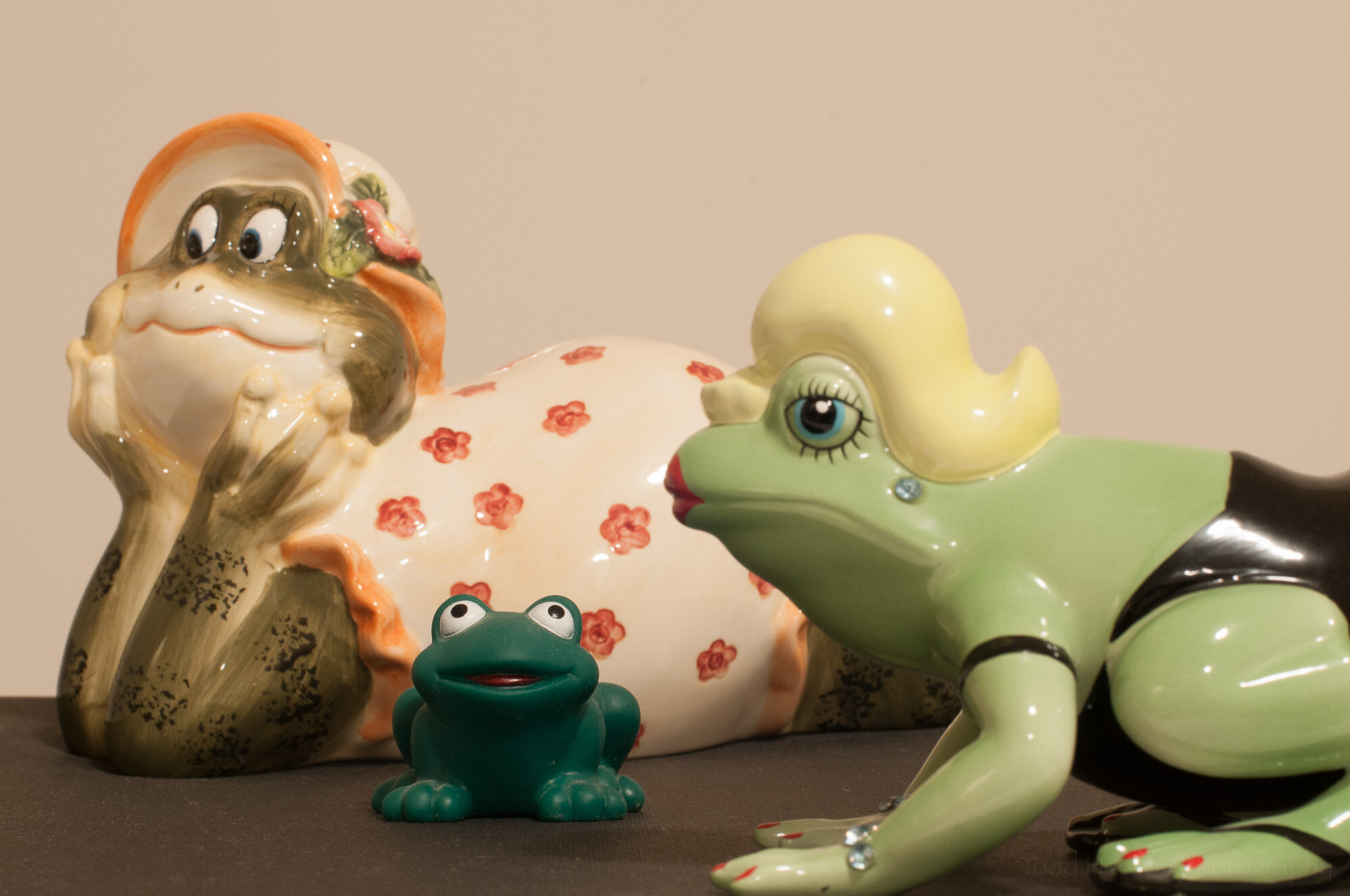
And now take a look at the still life examples where a photo was created at each aperture shown above. Step through both the lens photos above and the still life below so you can see how changing the aperture opening affects depth of field.

I hope this was helpful to some of you. Aperture is a great creative tool we have, so go out there and use it.


Do you enjoy these posts?

Sign up to receive periodic emails with updates and thoughts. Don’t worry, I won’t spam you. And please consider purchasing artwork or products from my online store, and using my affiliate links in the sidebar to the right when shopping online.

I appreciate your support!

Late Morning With Skimmers by Todd Henson

A late morning skimmer

One subject I always enjoy photographing are the many species of dragonfly seen throughout the area. And one challenge, at least for me, is later trying to identify them. It’s quite a learning experience.

I found these dragonflies near the intersection of two paths at a local wildlife refuge on a late June morning. It was actually late morning, almost 10 am, and I was on my way back out of the refuge. But I spotted these beautiful yellow-orange skimmers flying back and forth between perches in a small field on a slight slope. They were far enough from the background I was able to completely blur it out. My focal length was 550 mm, which also helped in blurring the background. I set my aperture to f/8 to try capturing enough of the dragonfly in focus, but you can see the focus was still shallow enough the ends of the wings and “tail” (its segmented abdomen) are out of focus. I do like the look this gives, though.

“Good morning, Skimmer!”

After poring over many online resources, I believe the subjects of today’s photographs are Needhman’s Skimmer Dragonflies (Libellula needhami), but if you believe differently please leave a comment letting me know what you think they are and how you could tell. The Needham’s are in this area, and the coloration and patterns seem to fit. The other species it resembles is a Golden-winged Skimmer, but I believe there are enough indicators to favor Needham’s.

Some of the indicators include the coloration of the lower legs (tibia), the coloration of the front edge of the wings (the Costa vein), and the patterns and coloration of the front portion of the thorax. Based on the overall coloration of the dragonfly I suspect these were female and/or juveniles.

Below are the resources I used in my attempts at ID’ing the species:

And finally, I converted one photo to black and white to showcase the interesting patterns of the wings, one of which is partially missing. Seeing something like this always leaves me wondering what might have happened. Did it narrowly escape becoming the meal of something, and if so what? A bird? A reptile? It would have been interesting to see.

What happened to this dragonfly’s wing?


Do you enjoy these posts?

Sign up to receive periodic emails with updates and thoughts. Don’t worry, I won’t spam you. And please consider purchasing artwork or products from my online store, and using my affiliate links in the sidebar to the right when shopping online.

I appreciate your support!