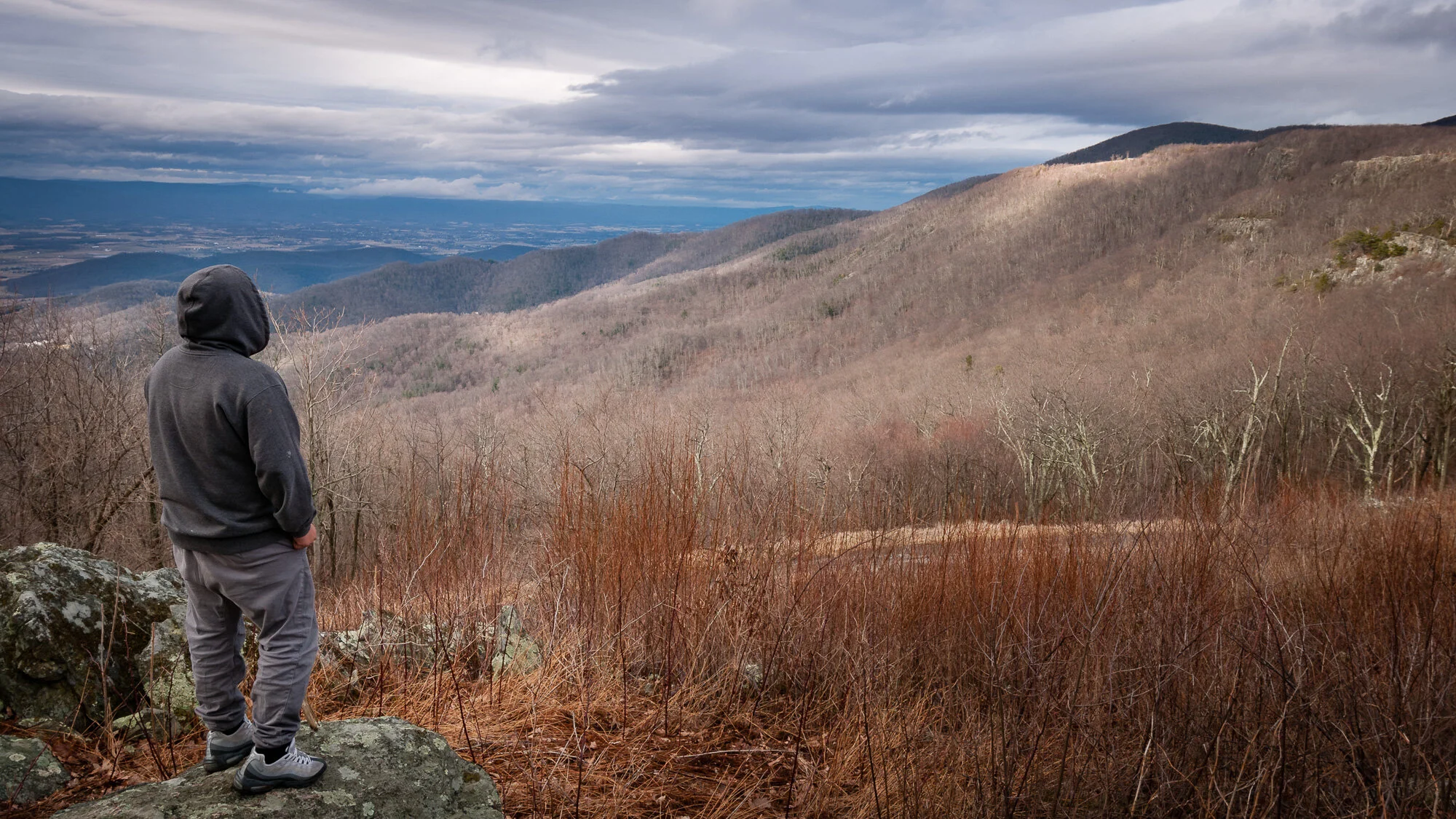
Circe by Madeline Miller by Todd Henson

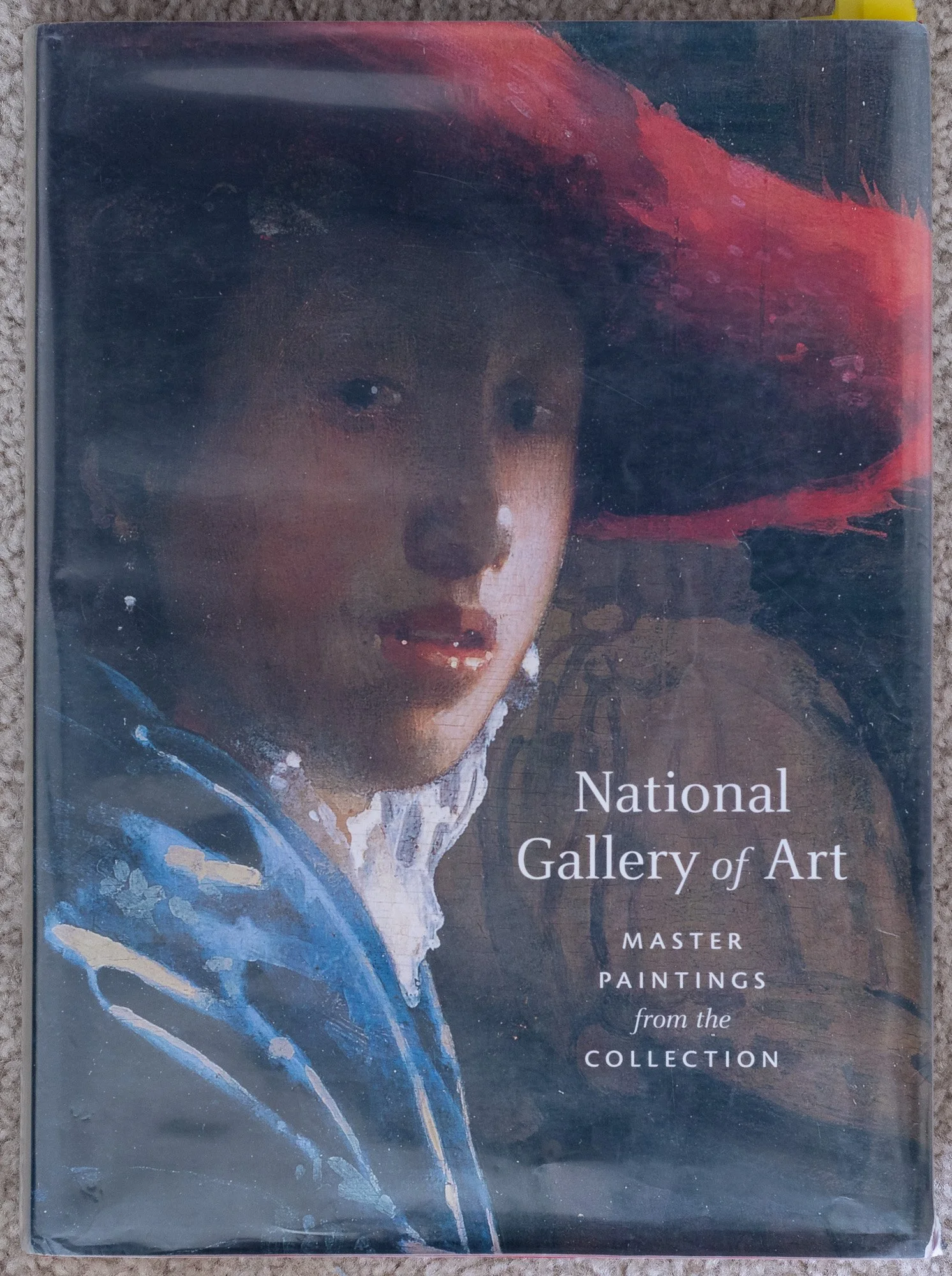
The hardcover edition of Circe, by Madeline Miller

The hardcover edition of Circe, by Madeline Miller

This post contains affiliate links and I’ll be compensated if you make a purchase after clicking on my links, though this won’t cost you anything extra. Thanks much!

Today I’d like to take a short step away from photography and explore another art form, that of storytelling. People love stories, and stories can greatly influence us, often staying with us through the years. Stories can influence how we see the world, and doing so can change how we photograph the world. So today I share my thoughts on Madeline Miller’s book, Circe.

I grew up loving stories of ancient mythology. But the only exposure I typically had to them was film and general mythology books. Film comes with its set of strengths and weaknesses, one weakness often being its shorter length. And the mythology books I read tended to be short passages about a large number of stories from various mythos, often very dry reading. Since then, though, I haven’t read or watched nearly as much as I once did, though I do sometimes pull out Bulfinch’s and read about some event or character.

Over the last year or so, though, I kept seeing references to Madeline Miller’s Circe. Eventually, I decided to pick up a copy and read it, and I’m very glad I did. I thoroughly enjoyed Circe. It’s exactly the sort of story I wish I’d had when younger (though written for an adult audience), taking those dry, plodding tales from generic mythology books and giving them the life I’d seen in some of the movies, but on a grander scale and with more depth. Circe isn’t an action packed Hollywood blockbuster, but instead a memoir of the life of a very interesting, though perhaps lesser known, character in Greek mythology.

Circe was a nymph, a lesser goddess, whose father was the great Titan Helios, god of the sun, and whose mother was Perse, the naiad daughter of the Titan Oceanus. I knew some of these names, but it’s been so long since I’d read of them I’d forgotten most of whatever I once knew. Perhaps that increased my enjoyment, making the story seem fresh, slowly revealing other names I knew, such as Zeus, Hermes, Daedalus, the Minotaur, Athena, Odysseus, and many more. As Circe’s life story unfolds, we see her place in the stories of all these others.

The book is told from Circe’s perspective. We feel her pain and anger, her sorrow and love, her longings. And this perspective is an interesting one given she’s a goddess and a witch. And though that makes her very different and in some ways above and beyond us mere mortals, it’s beautiful to be taken into her life and see just how similar are the machinations of the gods, with their petty rivalries and over-inflated egos, to our mortal lives and politics. But Circe differs from so many of her kind, making the story that much more interesting, as she chooses paths most others might avoid.
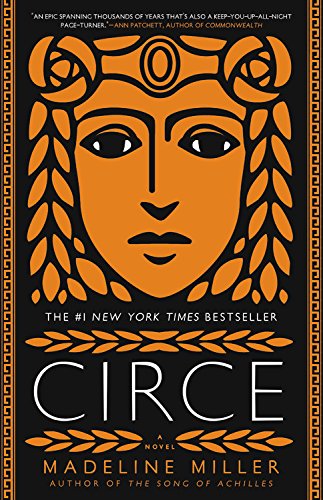
If you’ve always been interested in, or even just curious about, Greek mythology and want to learn more about these interesting gods and goddesses, heroes and monsters, if you want to know what they felt and experienced in their lives between the great events, then you may very well enjoy Circe. I loved how it weaved together so many stories I was familiar with, but also introduced ones new to me. Madeline Miller has brought to life the character of Circe, taking us from her beginning to her end, and I thoroughly enjoyed the journey. Now I look forward to reading her earlier book, The Song of Achilles.


Do you enjoy these posts?

Sign up to receive periodic emails with updates and thoughts. Don’t worry, I won’t spam you. And please consider purchasing artwork or products from my online store, and using my affiliate links in the sidebar to the right when shopping online.

I appreciate your support!


Photo Failures: Yellow-rumped Warbler by Todd Henson


This photo is a failure. Can you spot the flaws?


This is the first of what may turn into a series of posts about my photographic failures. We tend to learn more from our failures than our successes, so it can be a valuable exercise studying our failed photographs to determine what went wrong, and what we could have done to turn the failure into a success.

Take a close look at the photo above. Click on the image for a larger view. What do you like about the photo? What problems do you see?

When analyzing my photos I first focus on what I like about an image. What did I do right? In this case I like the general pose of the Yellow-rumped Warbler, the position and angle of its body. The image does a reasonably good job of showing the colors and patterns of this bird. I really like the clean, solid color background. I intentionally positioned myself to have this sort of background. I like the general composition, the placement of the bird in the frame and how the tree runs along the right side of the frame.

But why is the photo a failure? What do you think? Do you see any issues? I see a couple. The most obvious is the bird moved during the exposure, resulting in a blurry head. Blurry subjects like this rarely work. There are exceptions, but I don’t believe this is one of them. The second issue is the angle of the birds head. Notice it is slightly facing away from the camera? This isn’t a major issue but it can detract. It would have been much better had I captured the bird with its head tilted more towards the camera. It would have created a more pleasing angle, and the resulting eye contact would have increased the chance of engaging the viewer. Eye contact with the subject can strongly bring the viewer into a photo.

Thankfully, I was able to create a similar photo, one I consider a success. Compare the two. Do you see the differences?

This photo is a failure.

This photo is a success.

Now take a look at a zoomed in comparison of the two photographs. You can more easily see the issues I mentioned with the failure, and the slight shift in head angle and focus that made the second successful. Notice how much better the image looks when the subject is in focus. And do you see the difference in the angle of the head, how in the failed photo the head is facing slightly away but in the successful one it is angled a bit more towards the camera? Another benefit of this is a small catch light in the eye in the successful photo. It’s a small and subtle thing, but catch lights can enhance viewer engagement. We seem drawn to eyes, and eyes with a catchlight often catch our attention more than those without.

A comparison of the failure and the success. Can you spot the differences?

I hope this exercise was useful. We all create photographs that just don’t work. In fact, most of us will create far more of these than we will successful photographs. But don’t let this discourage you. Each failed photograph can be an opportunity to learn and to improve our photography.


Do you enjoy these posts?

Sign up to receive periodic emails with updates and thoughts. Don’t worry, I won’t spam you. And please consider purchasing artwork or products from my online store, and using my affiliate links in the sidebar to the right when shopping online.

I appreciate your support!

A Fly on the Rail by Todd Henson

A fly on the rail at a local wetlands park

When heading out to photograph nature with a long telephoto lens most photographers, including myself, would be on the lookout for wildlife of some sort: birds, maybe deer, a shy fox, perhaps. But I try to keep my eyes open for anything because long lenses work great for other subjects, as well.

I was walking along the boardwalk of my favorite wetlands park. They have a slightly elevated section with a larger observation area with railing and benches. I was heading down the boardwalk from here towards the section flat against the water with no railing. And just before the railing ended I noticed a large fly, sitting on the metal rail. It remained where it was as I walked by, so I turned around, setup the tripod, and began photographing this patient little subject. I liked the angle of the railing and the interesting light patterns in the background. And, of course, flies are always fascinating subjects when viewed closer than we typically see them. Click on the image to see a larger view of the photo.

If you’re curious about the technical details I was using my 200-400mm lens at almost 400mm with a 1.4x teleconverter giving a focal length of 550mm. On a crop sensor body like my Nikon D500 this gives a 35mm equivalent focal length of 825mm. That’s a fair bit of reach.

My lens has a minimum focusing distance of around 6.5 feet, and I’d moved in as close as I could get. I set the aperture to f/8 to give the photo a little depth of field but still completely blur the background. I probably could have stopped down a bit more and gotten more of the fly in focus. This would have dropped the shutter speed or forced me to raise the ISO, but I had room for both in this situation.

With the light conditions what they were I had the ISO set to 400, giving me a shutter speed of 1/400 sec. I don’t like to let the shutter speed drop too low with this long lens, even when on a tripod. Too many chances of vibration blurring the image. I have a mild case of essential tremor, so there’s always a risk of me introducing vibration, which a long lens will amplify. And the fly was on railing attached to the boardwalk, which can vibrate far more than you’d think when people are walking on it nearby.

When photographing in this situation I tend to wait for folks to walk by and let the boardwalk settle before shooting. Then I try to focus on my breathing to calm myself and relax. And I very often put the shutter in burst mode and shoot in short bursts of 2-4 shots at a time. This can be a waste of frames and creates many more images I must sort through when I get home, but it also increases the chances that one of those frames will be more in focus than the others, so it’s often worth the extra effort.

Next time you’re out in the field, whether photographing or just out for a walk, look around you. Really focus on your surroundings. What do you see that most of us might overlook and walk by? Is there a chance it might make an interesting composition if you had a camera with you? Practice this exercise as often as you can, train yourself to see more in the world. I do this all the time but still have so much to learn. I see photographers I admire create compositions I doubt I ever would have seen the potential in, and yet they create something absolutely fantastic. We can do that, too, if we better learn how to see.


Do you enjoy these posts?

Sign up to receive periodic emails with updates and thoughts. Don’t worry, I won’t spam you. And please consider purchasing artwork or products from my online store, and using my affiliate links in the sidebar to the right when shopping online.

I appreciate your support!