Reviews

Used Photography Book Roundup - March 2018 by Todd Henson

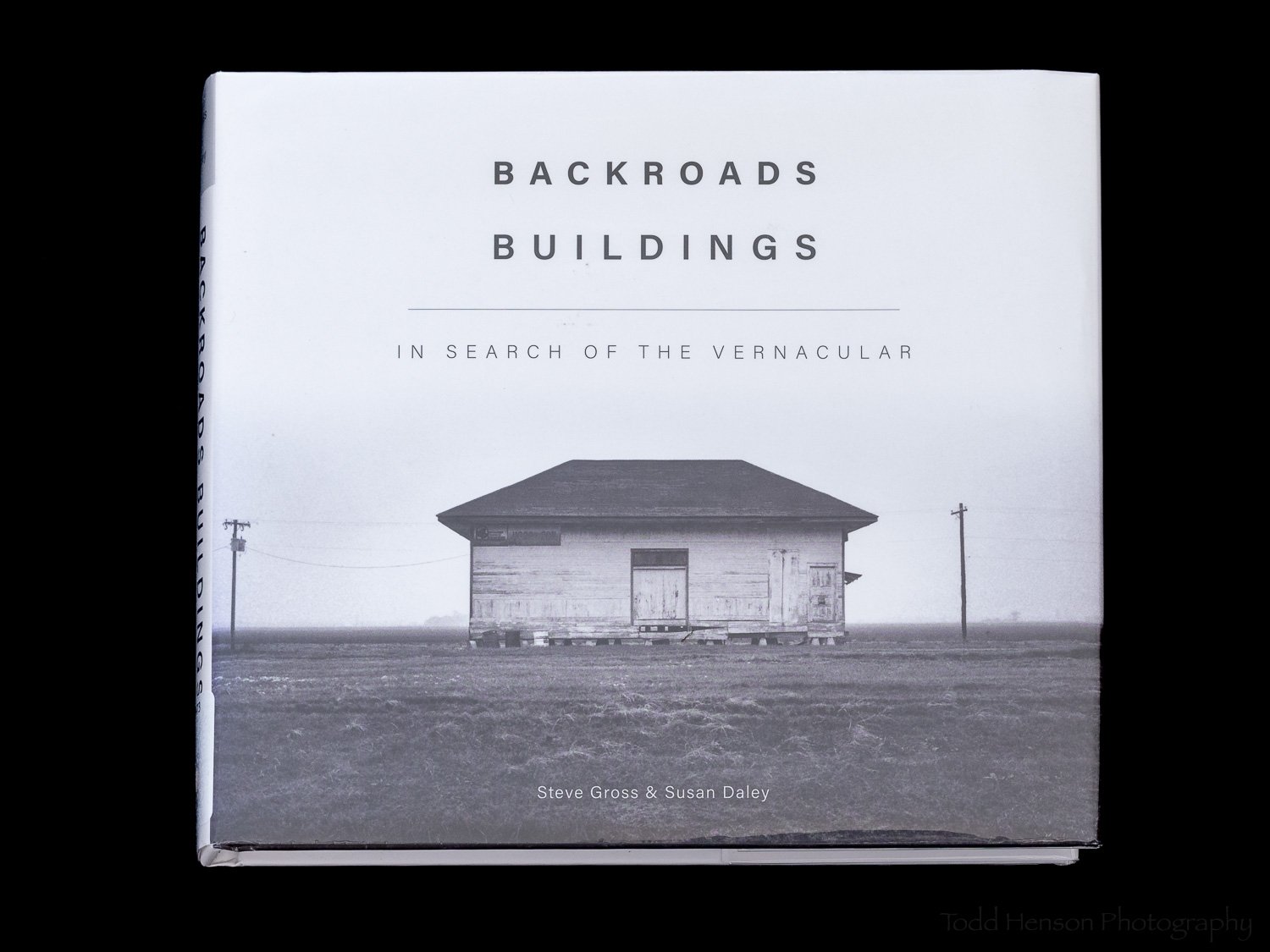
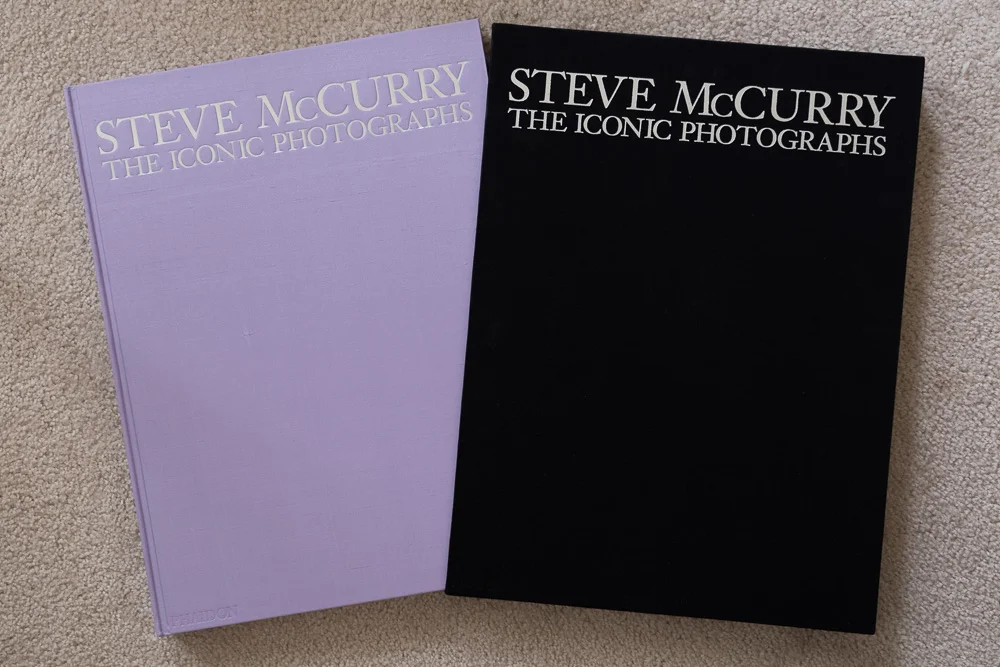
Three photography books recently found in a used book store.

Used book stores can be fantastic places to find interesting photography books. I like to stop by various stores every so often to see if anything new has found its way to their shelves. This post is a roundup of books I’ve recently found and purchased. Maybe you’ll find one of these interesting enough to look for your own copy.

These books may be difficult to find new. In case you don't have a good local used book store, I've included links below to Amazon where you may find new or used copies. These links are affiliate links and I will be compensated if you make a purchase after clicking on my links. This is at no extra cost to you.


Steichen in Color: Portraits, Fashion & Experiments by Edward Steichen

I admire Edward Steichen’s work, even though my own photography differs greatly from his. The majority of his work was monochromatic, but in this book we get to see some of his color work, created using many different techniques. It’s a fascinating collection, and I look forward to reading the text that accompanies the photographs.

If you’re interested in Steichen’s work take a look at my review of the book, Edward Steichen: Lives in Photography, a book I highly recommend.


At First Sight: Photography and the Smithsonian by Merry A. Foresta

This book contains a fascinating collection of photographs from the Smithsonian Institution. It briefly discusses the history of photography, and then discusses in a little more depth the history of photography at the Smithsonian. The book includes a very diverse set of photographs from the Smithsonian’s collections. This book is a beautiful piece of history.


The Family of Man by Edward Steichen

The Family of Man was a huge photographic exhibition put together by Edward Steichen for the Museum of Modern Art in New York. It had been called (both in the book and elsewhere) the greatest photographic exhibition of all time. Through a collection of photographs by photographers from all over the world, the exhibition essentially tells the story of mankind. There are some very moving photographs in this collection.

I had read about this exhibition but had never seen much of the work from it. This book collects 503 pictures from the exhibition, and I’m very pleased to have found a copy. The paper in the edition I found is of low quality and has colored with age. I’d love to find a better copy one day.


I highly recommend frequenting any used book stores in your area with good photography sections. You never know what you may find. Leave a comment below if you’ve found anything interesting, or if you have a copy of any of these books.


Do you enjoy these posts?

Sign up to receive periodic emails with updates and thoughts. Don’t worry, I won’t spam you. And please consider purchasing artwork or products from my online store, and using my affiliate links in the sidebar to the right when shopping online.

I appreciate your support!

New Photography Book Roundup - March 2018 by Todd Henson

Five new books I've acquired as of the beginning of March, 2018.

I absolutely love books. And I absolutely love photography. So who would guess I also happen to absolutely love photography books?!?!

I’m constantly on the lookout for new and interesting books to purchase. This post is a roundup of the new photography books I’ve recently purchased. Maybe you’ll find something of interest in the list.

This post contains affiliate links and I will be compensated if you make a purchase after clicking on my links. This is at no extra cost to you.


The Landscape Photographer’s Guide to Photoshop: A Visualization-Driven Workflow by Guy Tal

I have always considered myself weak at landscape photography, though I really enjoy it. And I’m a fairly new practitioner of Photoshop and most often find myself frustrated trying to figure out how to perform various actions. I was drawn to this book for those reasons. I’ve seen examples of Guy Tal’s photography and admire his work, so I thought this might be a good book to learn from.

The subtitle of the book is A Visualization-Driven Workflow, and it speaks to the overall theme of approaching your photography with intention. First, visualize an image in your mind, imagine how you’d like the image to look. Use your technical skills to capture that image, as best you can, in the camera. Then take that image into Photoshop and further realize your original vision.

The book is split into 2 parts. The first is titled Theory. It takes the reader through a short history of photography as art, then talks about visualization, and finally goes into more technical topics, talking about the digital studio, analyzing images, and an overview of workflow.

The second part of the book is titled Practice, and goes into details about working in Photoshop. It covers topics from the initial raw conversion process to Photoshop basics and then on to more specific techniques and topics.

I’ve begun reading this book and really look forward to diving in deeper.


Mastering Photographic Composition, Creativity, and Personal Style by Alain Briot

Who can’t benefit from a few extra lessons on composition? I know I certainly can. Alain Briot is a very talented fine art landscape photographer whose work I admire. I purchased this book for similar reasons to Guy Tal’s book: I would like to improve my landscape photography.

The book contains many sections about different aspects of composition, such as learning the differences between how we see and how the camera sees, how to compose with light, with color, and in black and white. It discusses many elements typical of strong compositions.

It also covers various topics related to the creative process, with sections on finding inspiration, exercising your creativity, developing your vision, and achieving your personal style.

Being a fine art photographer, Briot is familiar with interacting with an audience. He has sections in the book about doing this, and about understanding your audience, and how to find an audience. Are you marketing your work to audiences that appreciate numbered prints? He has a section about this topic, as well.

The final section of the book is about the relationship between technical and artistic aspects of photography. He provides a checklist to help guide you to better photographs, to remind you of things to consider when creating your photographs. It includes a technical checklist and an artistic checklist. This section also covers what he calls image maladies, which is a list of problems that can occur with our photographs. He talks about the problems and how to overcome them.


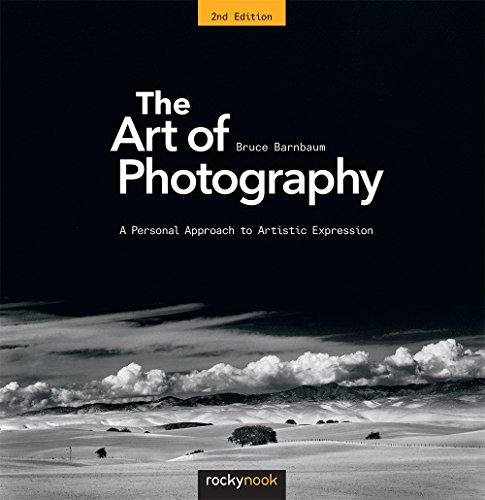
The Art of Photography: A Personal Approach to Artistic Expression by Bruce Barnbaum

This is the 2nd edition of this classic, and it is a monster of a book, coming in at just under 400 pages in a slightly oversized format (10” x 10” versus the more common 8” x 10”). This feels like a text book for a multi-semester class on all aspects of photography as an art form.

The chapters cover all the expected topics, such as composition, visualization, light, color, the use of filters, exposure, control of contrast, printing, image adjustments, presenting your photography, and topics on photography as fine art. The final chapters are about approaching creativity intuitively, and moving toward a personal philosophy.

I already own books that cover most of these topics, but I had read great things about Bruce Barnbaum and have been drawn to the images of his I’ve seen. And even if I’ve already read about some of these topics from other authors and photographers, each person brings their own experiences and methods of conveying topics. I wanted to see how Barnbaum approached them.

I have not yet read the book, but having flipped through it several times I’m very pleased with the purchase so far. It looks fantastic and I can’t wait to get into it. This is the largest of the books in this roundup, so it may take me a while to get through it. I tend to work through these sorts of books slowly, trying to absorb small sections at a time before moving on.


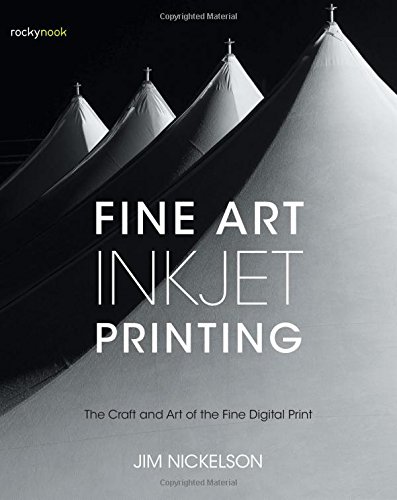
Fine Art Inkjet Printing: The Craft and Art of the Fine Digital Print by Jim Nickelson

I have a very nice inkjet printer, a Canon PIXMA Pro-10. But creating pleasing physical prints can be a challenge. I have experimented a little producing various prints, but haven’t spent the time I think I need to really excel with the printer. So I picked up this book to inspire me to learn more about creating quality prints.

This may be the most technical of the books in the roundup. The book covers all the necessary topics, such as hardware, software, color management, how to edit for the print instead of just for the screen, how to create, evaluate, and correct the print, choice of papers, topics specific to black and white printing, handling the print, storage, and signing and numbering. It contains an appendix with a slew of other topics.

I have read the first few chapters of the book and I’m pleased with the purchase to far. I know I have a lot to learn and I’m hoping this book will push me in the right direction.


The Soul of the Camera: The Photographer’s Place in Picture-Making by David duChemin

I really enjoy David duChemin’s work, both his photography, and his writing. He is very skilled at expressing himself with the written word. I’ve purchased most of his books to date, many in print versions and some as e-books.

He often writes about the softer topics versus the more technical aspects of photography. One of the first books of his I read was Within the Frame, where he wrote about vision and how it can be used to create more emotional photographs, ones that draw in the viewer, make them feel something. In Photographically Speaking he wrote about developing a visual language and how to use this to help better express ourselves photographically.

Now, in The Soul of the Camera, he writes about what’s missing from so many photographs. He says they lack soul. And the book contains many chapters, really a collection of essays, on how to create stronger, more expressive photographs that have soul. A quote from the beginning of the book: “It is time now to turn our attention to what is ultimately responsible for the making of photographs — the photographer’s themselves.”


I look forward to spending some time reading all of these books. I hope some of them may interest you, as well. Let me know in the comments below if you own any of these or which you think you might enjoy.


Do you enjoy these posts?

Sign up to receive periodic emails with updates and thoughts. Don’t worry, I won’t spam you. And please consider purchasing artwork or products from my online store, and using my affiliate links in the sidebar to the right when shopping online.

I appreciate your support!


Fundamentals of Photography with John Greengo by Todd Henson

Fundamentals of Photography with John Greengo. Image credit: CreativeLive

Fundamentals of Photography with John Greengo. Image credit: CreativeLive

Are you new to photography? Interested in learning how to master your new camera and use it to begin creating beautiful images? Or perhaps you already know a bit about photography and would like a refresher to reinforce various topics? If so, check out CreativeLive’s class, Fundamentals of Photography, taught by John Greengo.

For many years John Greengo has taught his Fundamentals of Photography class, often adding or updating content, especially if anything new has happened in the world of photography. I’ve purchased two versions of this class in the past (in 2010 and 2012), and still go back to the lessons from time to time. John is a great teacher and he creates amazing visuals that help explain and reinforce the topics he teaches. (The visuals and examples in this post are my own.)

Selection of SLR lenses

In the class, John covers a wide range of topics. He talks about the different types of cameras out there today and how each work. He explains each part of a camera system, including the digital sensor and the differences between sensors, and camera lenses in their different forms. He explains how light works and how the camera captures it.

John teaches about exposure, and how it is affected by choices of shutter speed, aperture, and ISO. He explains each of these topics with visuals that really help you grasp the concepts. Examples of this are how to use aperture to get a shallow depth of field or a large depth of field. He talks about how shutter speed will affect the look of your image, allowing you to freeze the action or create motion blur to show the action. He explains ISO and how it controls how sensitive the sensor is to light.


Example: Aperture and Depth of Field

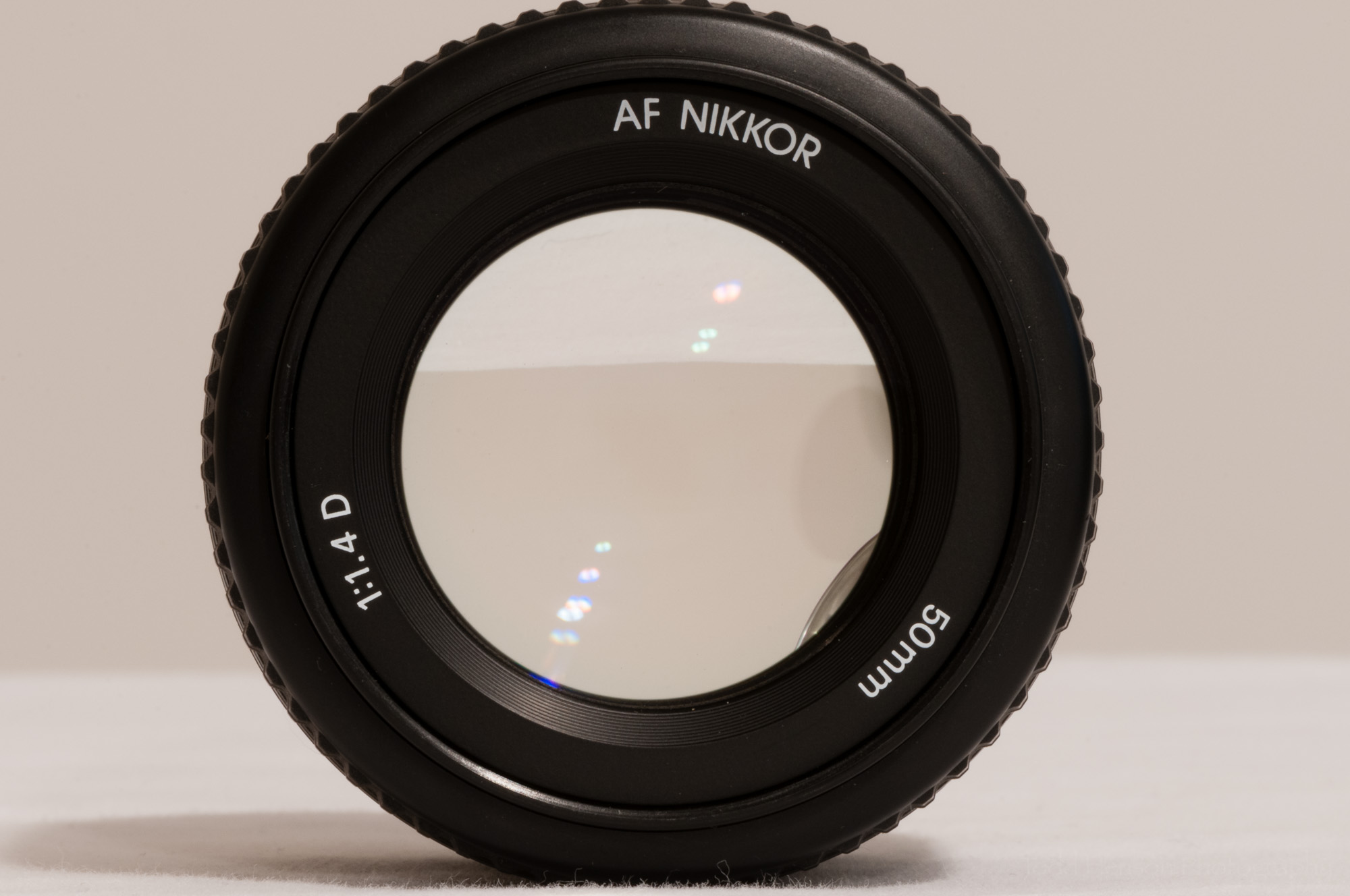
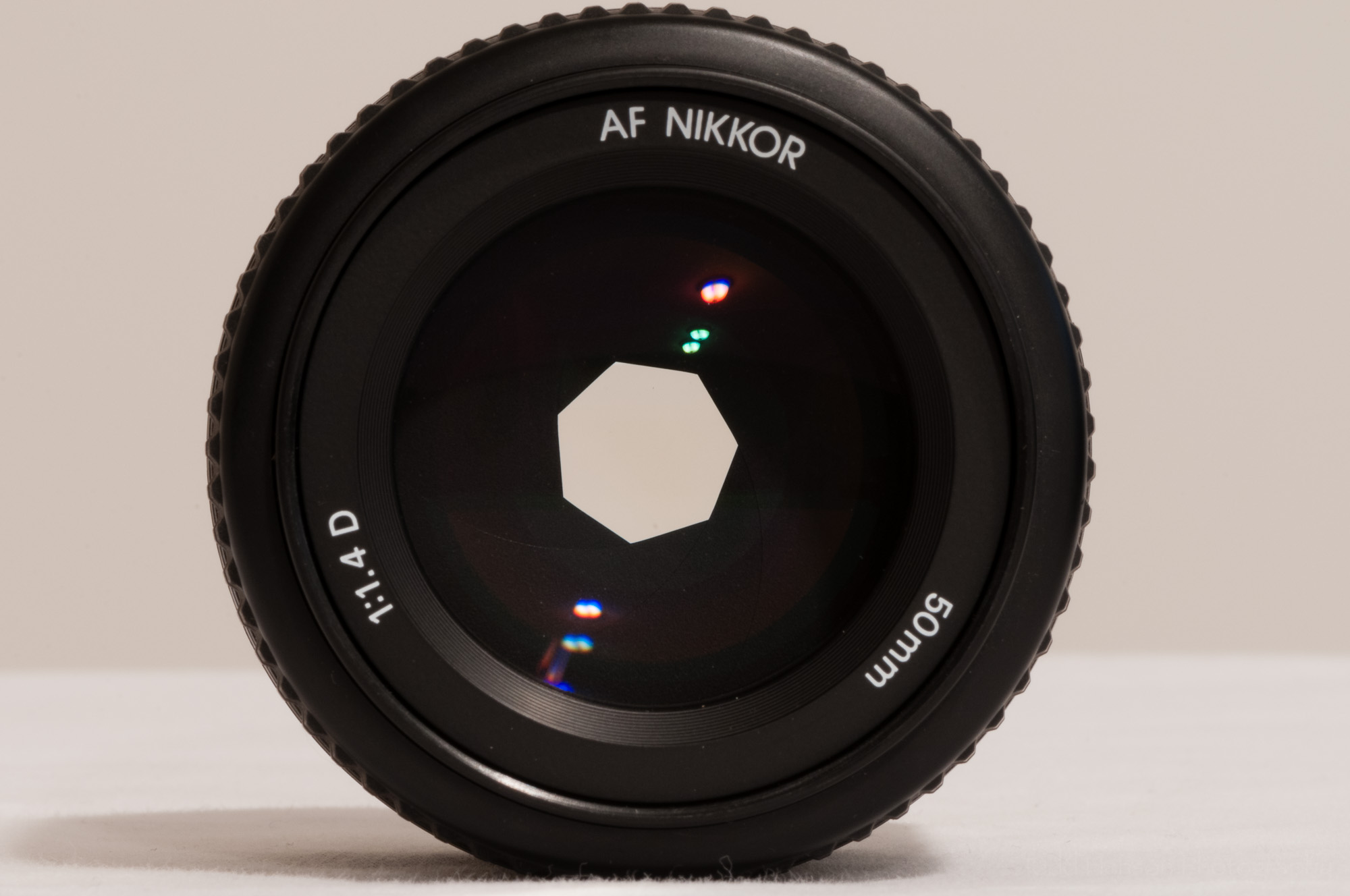
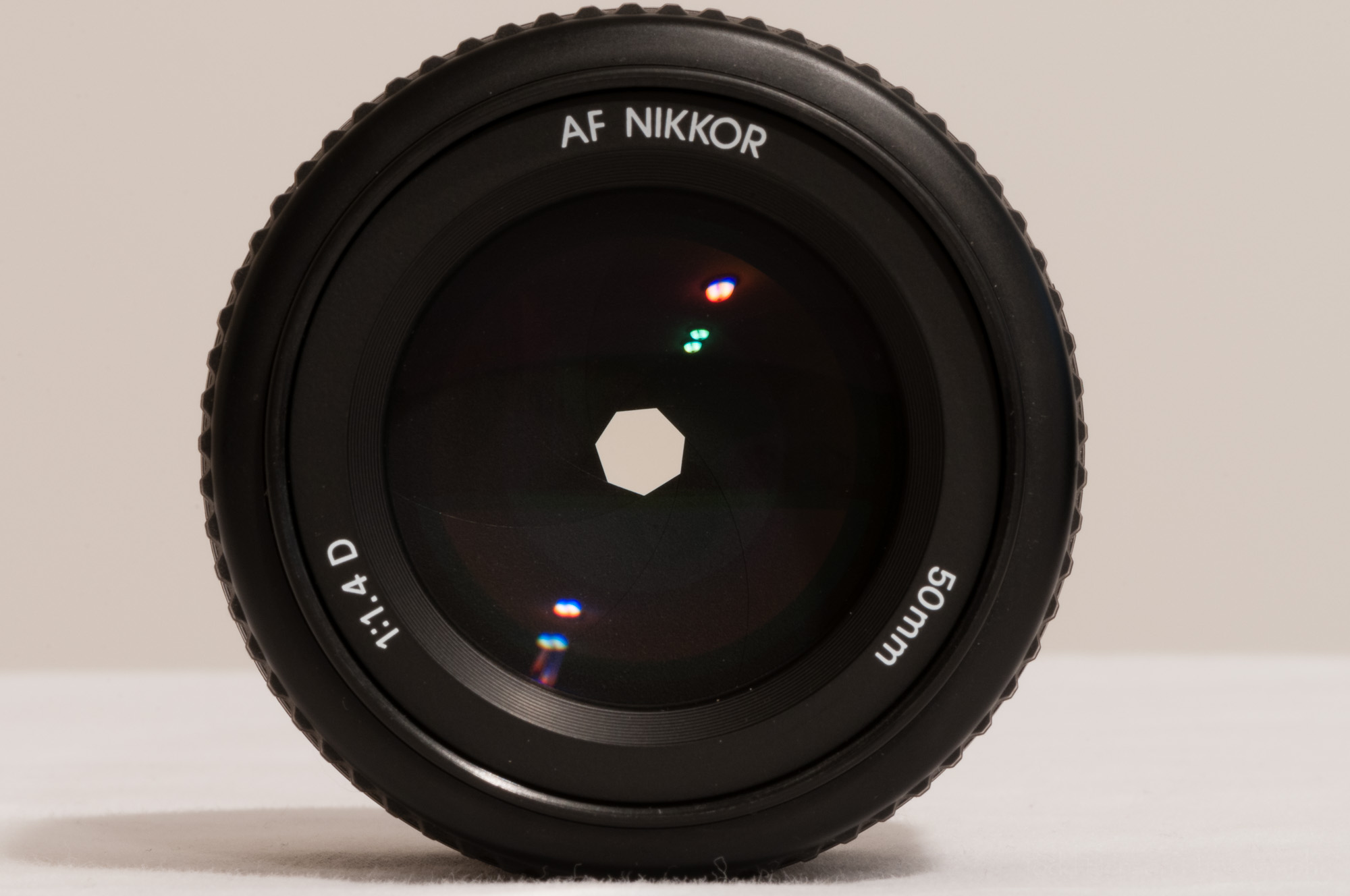
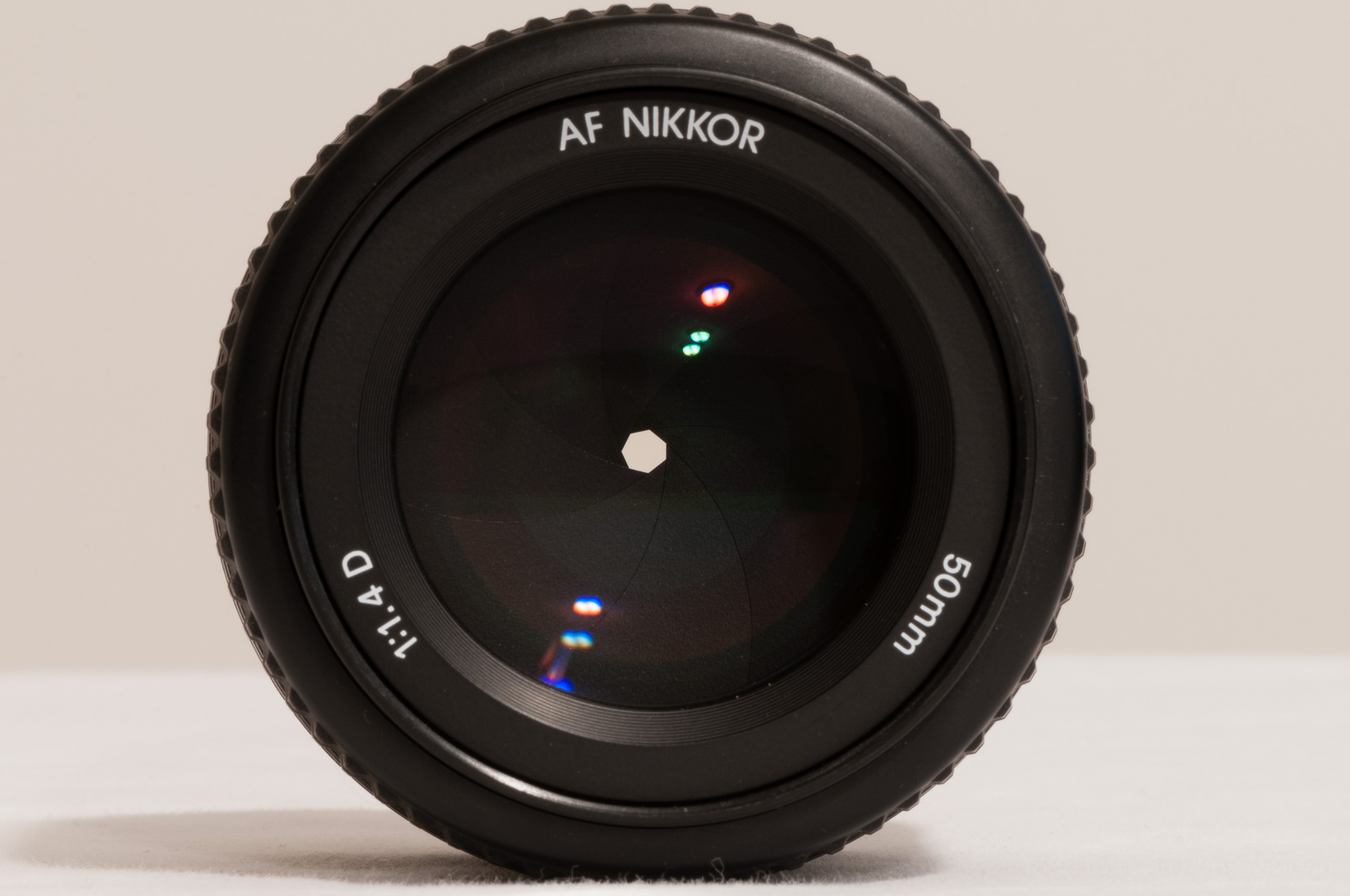
The images of the lens below show the actual, physical, opening of the aperture at 4 different f-stops: f/1.4, f/4, f/8, and f/16. For this particular lens, a 50mm f/1.4 Nikkor lens, the largest opening possible is f/1.4 and the smallest opening possible is f/16. Click on the arrows on either side of the image to display to the next image.

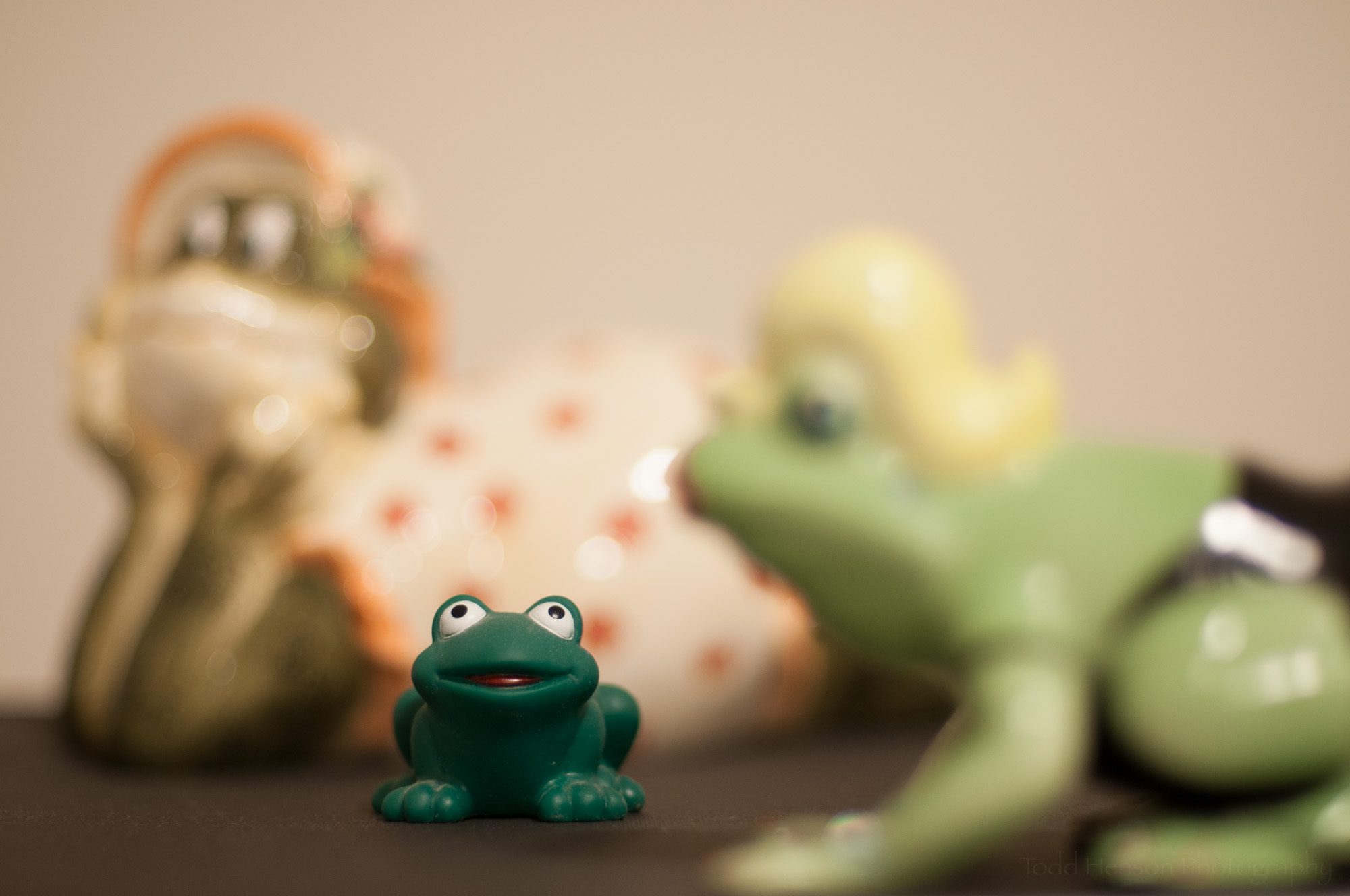
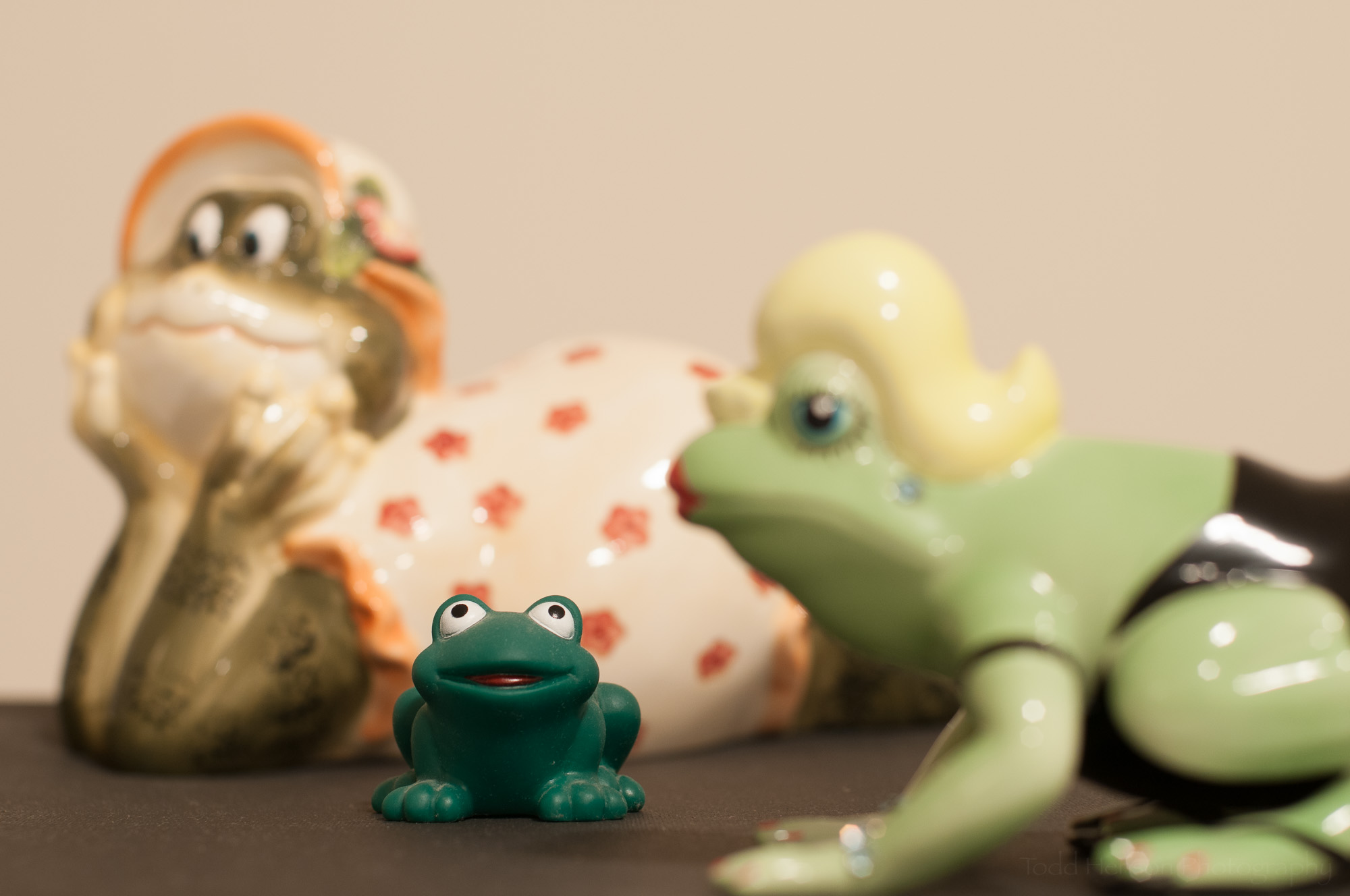
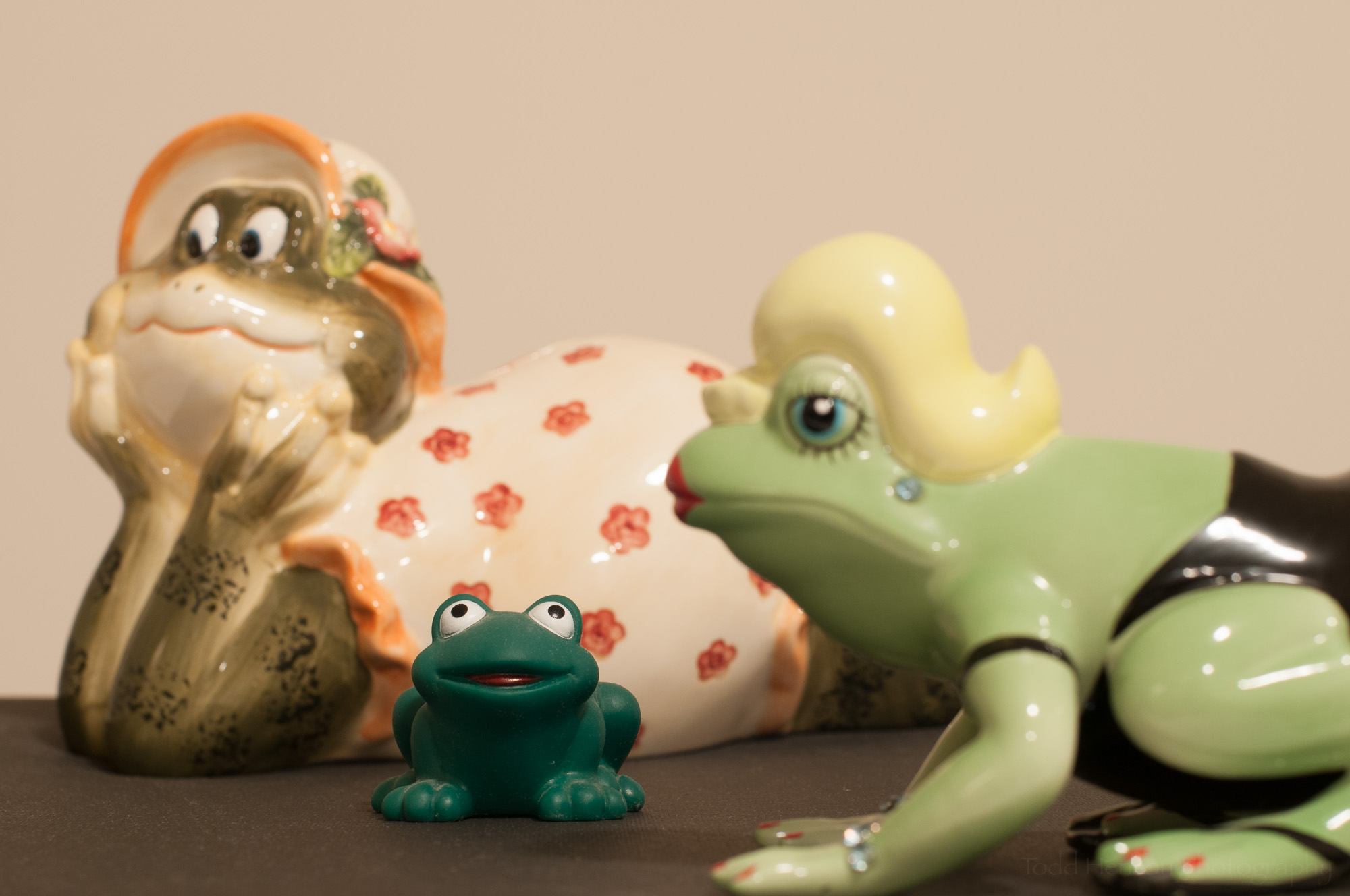
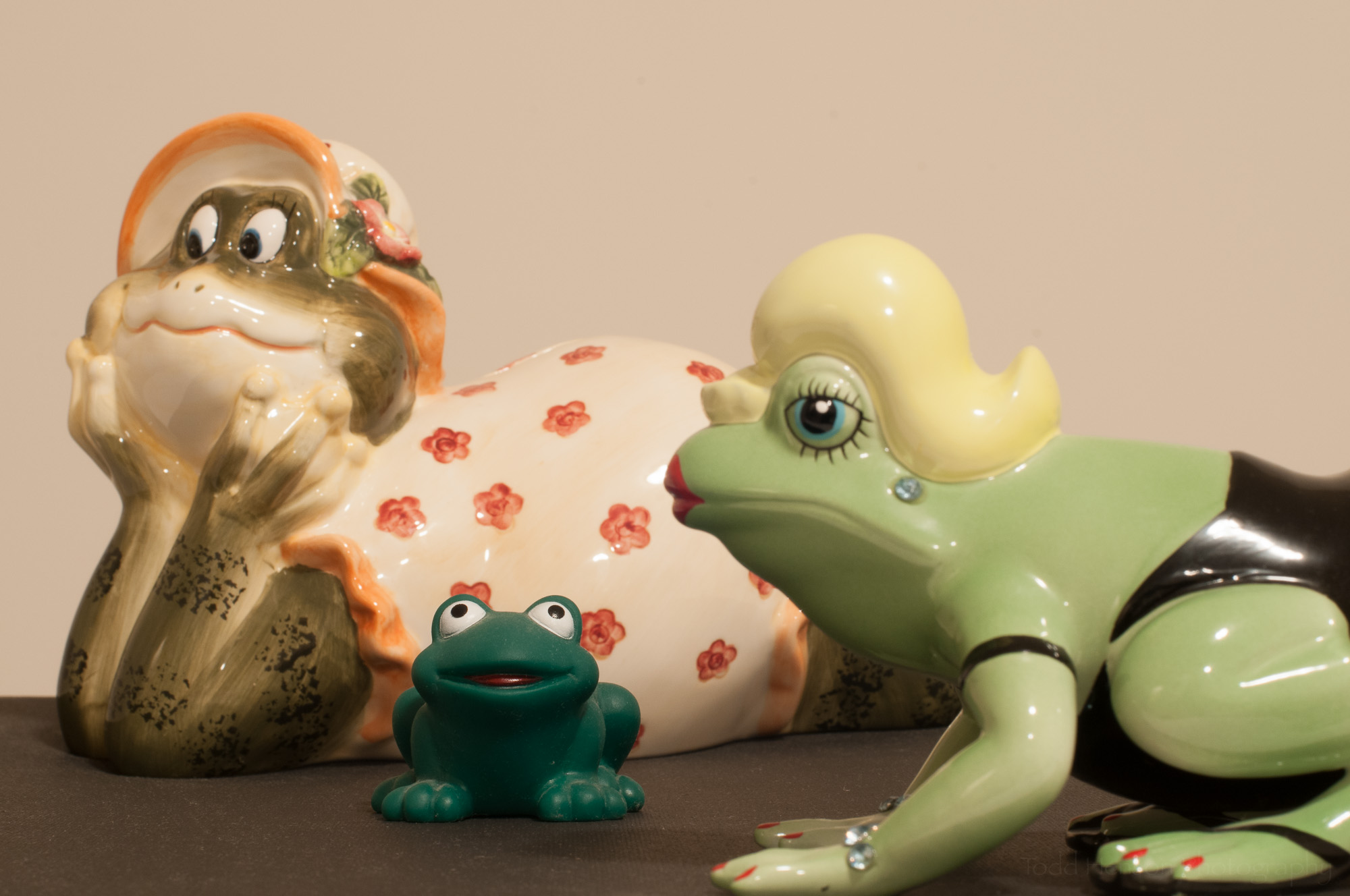
The images of the frogs below show the depth of field for each of the apertures above. The depth of field is the area most in focus. In each image I focused on the eyes of the middle frog.

Notice at f/1.4 there is very little depth of field, meaning there is a lot of the image that is out of focus. Notice how at f/4, then f/8, and finally f/16, that more and more of the image is in focus.

Look at the images of the lens above again. Notice that f/1.4 is the largest opening and created the least depth of field (had the least in focus). Notice that f/16 is the smallest opening and created the largest depth of field (had the most in focus).


Example: Focal Length and Perspective

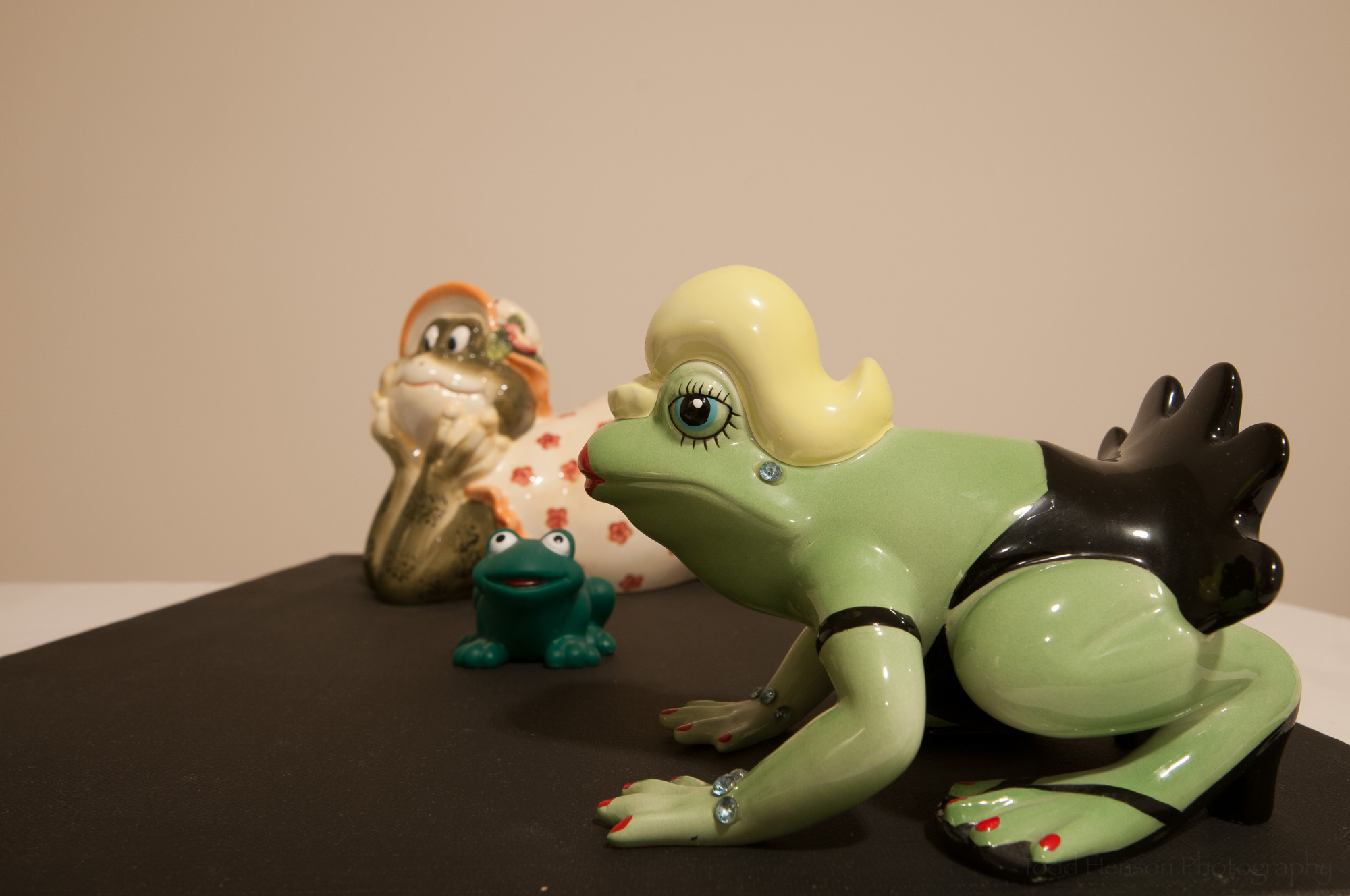
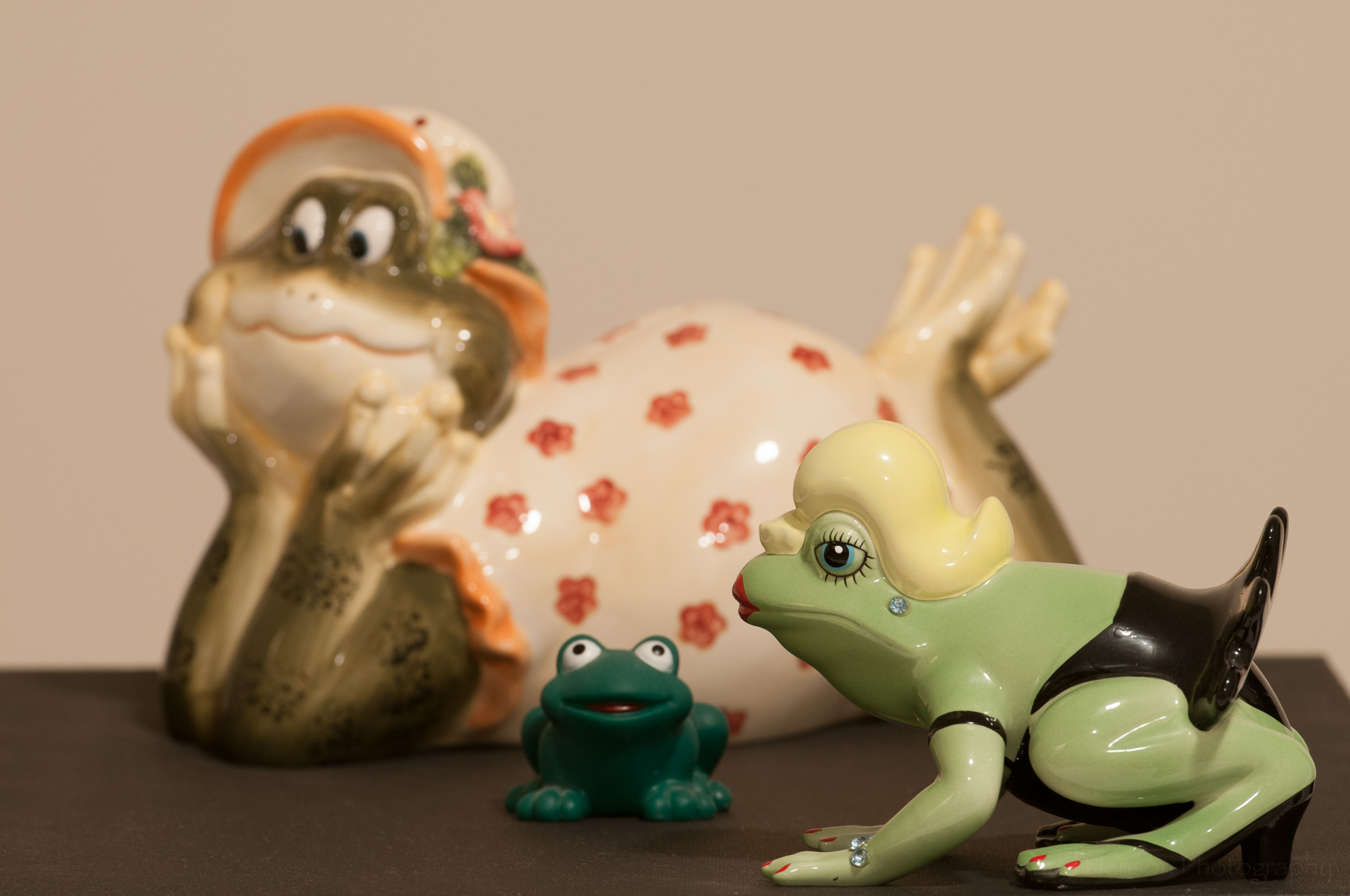
The images below were created at 2 different focal lengths. I attempted to keep the compositions as close as possible.

The first image was created using a wide angle lens at a focal length of 16mm. The front of the lens is very close to the foreground frog. Notice how large the foreground frog is in relation to the background frog. Notice how far away the background frog looks. Short focal length lenses (wide angle lenses) can stretch out the landscape, making objects in the foreground appear larger and making objects in the background appear smaller.

The second image was created using a telephoto lens at a focal length of 200mm. Notice how much larger the background frog is in relation to the foreground frog. Notice how much closer the background frog seems than in the wide angle image. This is called compression. Longer focal length lenses (telephoto lenses) compress the foreground and background, bringing the background objects closer to the foreground.

These images are an example of why it can still be very useful to move back and forth in a scene and not just rely on zooming your lens to fit the scene to the lens. Instead, visualize how you'd like the image to look.

Do you want to emphasize the foreground and minimize the background? Then use a wide angle lens and get close to the foreground object.

Do you want to emphasize the background, making it seem very large? Then use a telephoto lens. You can then move closer or further from the foreground object depending on how large you what that to be in the frame.


In addition to the more technical topics, John also talks about composition and design, about how to create pleasing images, how to add drama and evoke emotion in the viewer. He has had a long and successful career in photography, and has worked with other well known photographers, such as Art Wolfe. John is very good at taking what he’s learned and passing that on to his students through the videos and visuals.

Fundamentals of Photography is a long class full of content. It is first broadcast live over several days, usually close to 5 or 6 hours a day. One of the nice things about purchasing the class is being able to watch it later at your own pace. You can take one topic at a time, watch the videos, experiment with your camera, really understand the topic. Then move on to the next topic.