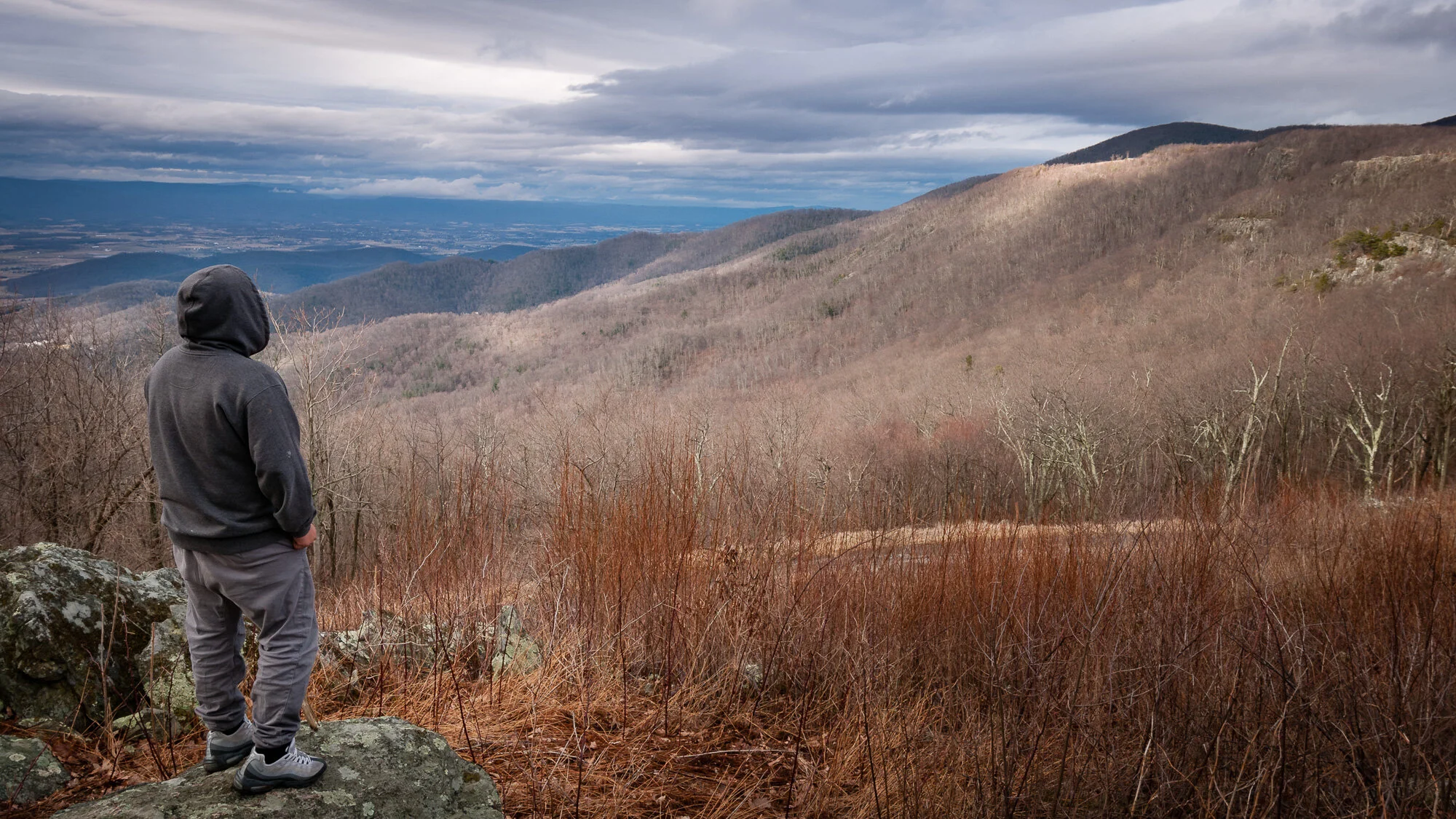
Natural Camouflage by Todd Henson

Nature is full of such incredible diversity of species. Some have evolved to stand out from the rest with bright and bold colors, while others have evolved to blend in, to remain hidden. Today we take a quick look at a small number of species and their natural camouflage. In some cases this camouflage might help a species elude predators, but interestingly, sometimes the predator is camouflaged to avoid the notice of its prey until it’s too late.

See if you can find the creature in each photo. Some are easy as I’ve moved in close to showcase the species, but others might be a little more difficult as I’ve stayed away to demonstrate how they can blend into the environment.

Click on any of the photos for a better view.

This young mantis might need to blend in to avoid other predators, but being a predator itself this also helps it catch its next meal.

Green on green, a young mantis

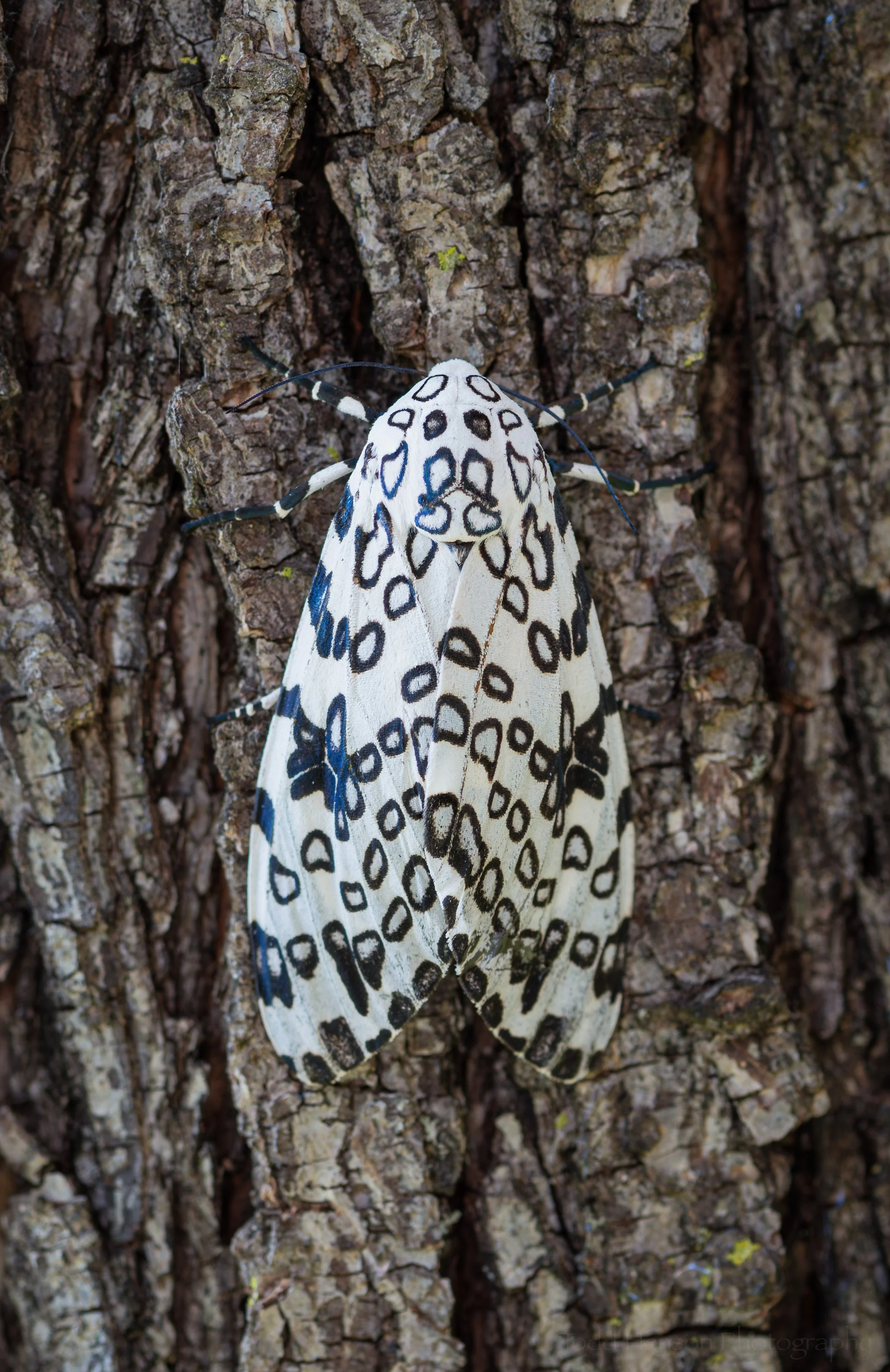
This moth, what I believe to be a tulip tree beauty, blends in very well with the tree it landed on, especially when seen at more of a distance. If I’d not seen it flying I might not have noticed it when walking by.

Tulip tree beauty (moth)

Here we have an example of a predator, a goldenrod crab spider, trying to blend in on this rue anemone flower, hoping to catch some insect by surprise.

Rue anomone and goldenrod crab spider

Some frogs blend in well with their surroundings, as can be seen with this pair of southern leopard frogs. They blend in even better when closer to some greenery.

A pair of southern leopard frogs

Blending in with the dirt and rocks it dug its way out of might help this newly hatched snapping turtle survive long enough to find water.

A newly hatched snapping turtle quickly moving towards water

If not for a slight bit of movement I’d likely never have seen this little brown skink, it blends so well with the background.

Looking down on a little brown skink

In this second photo the skink had heard the shutter of my camera and looked up at me, making it a little easier to see.

The little brown skink looks up at me. Needless to say, it didn’t stick around after seeing me.

Eastern fence lizards are masters of camouflage and this one picked a perfect location to blend in.

Can you see the eastern fence lizard?

As can be seen in the second photo, even when zoomed in much closer it still really blends in well with the tree.

Even up close this eastern fence lizard blends right in

Sometimes the red head of a broad-headed skink helps it stand out. But when seen against a backdrop of fallen leaves it helps it blend right in.

Looking down on a broad-headed skink

Fowler’s toads are another species that naturally blends right in, especially in a scene like this.

Fowler’s toad blending right in

This particular Fowler’s toad is lighter in color than the previous one, but it still blends right in.

Another Fowler’s toad blending right in

This was but a small sampling of the many ways different species use natural camouflage to blend in with their environment. But you can still find these species if you know what to look for, if you learn their patterns and where the different species like to hide. So keep your eyes open next time you’re out in nature. See if you can find a species trying to blend in.


Do you enjoy these posts?

Sign up to receive periodic emails with updates and thoughts. Don’t worry, I won’t spam you. And please consider purchasing artwork or products from my online store, and using my affiliate links in the sidebar to the right when shopping online.

I appreciate your support!
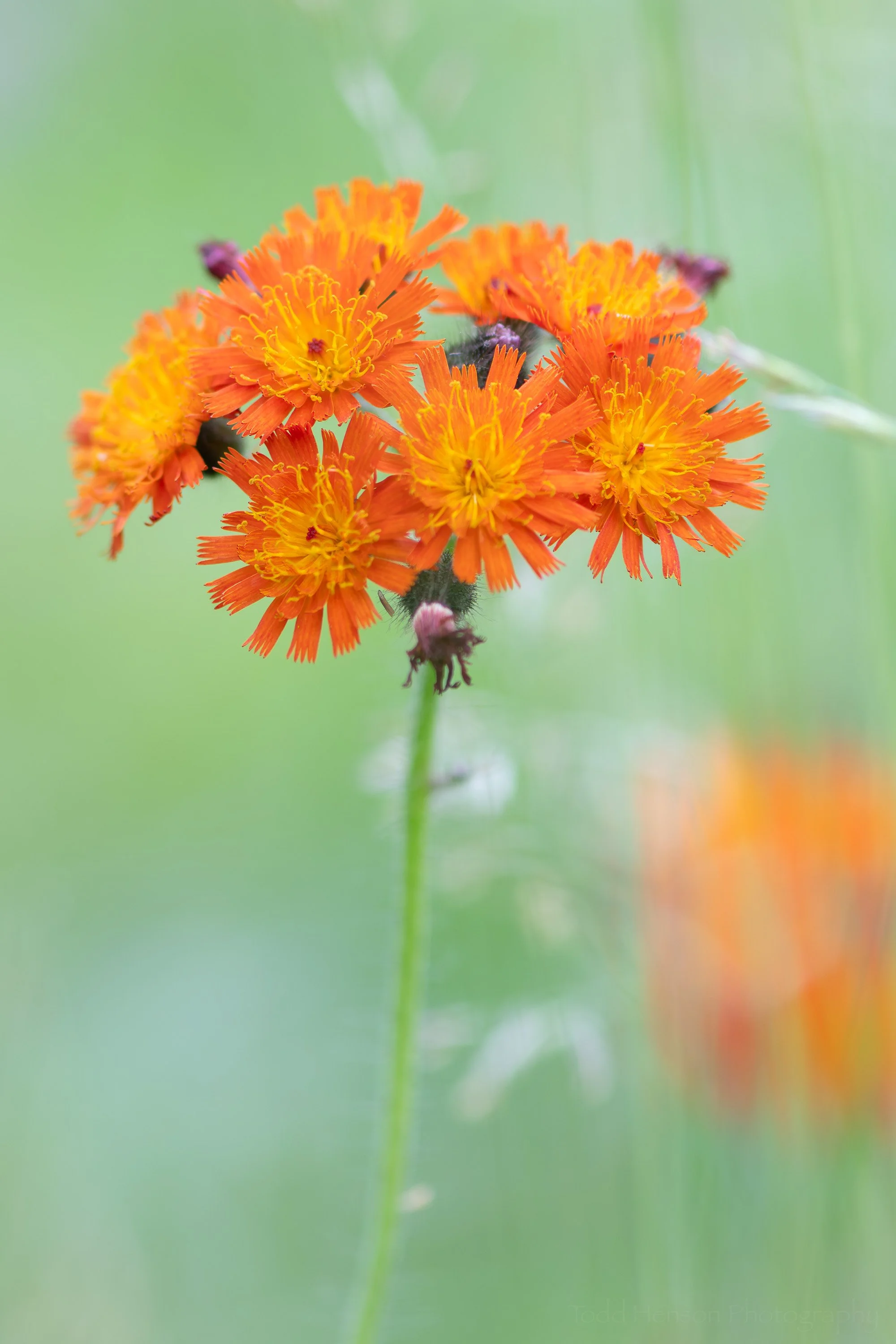

Red-footed Cannibalfly by Todd Henson

A red-footed cannibalfly perched on a limb.

I tried to frame the red-footed cannibalfly near the spotlight in the background.

I will admit to being a bit nervous when I got close to photograph this fly. It was large for a fly, and it had a vicious look about it that reminded me of deer flies and their nasty bites. But it turns out this particular species, the red-footed cannibalfly (Promachus rufipes), a type of robberfly, doesn’t care much for chasing people. Instead, it prefers to perch itself on branches or leaves or other surfaces watching the world around it and waiting, patiently waiting, until another insect flies by. When that happens the cannibalfly launches itself and quickly grabs the other insect, sometimes larger than itself, out of the air. It then calmly finds another perch where it’ll eat its meal, injecting it with digestive enzymes to liquify the internals, similar to spiders.

Do be careful around these, though. They may not be drawn to humans but if you agitate it too much you might be in for a surprise as it can still bite. This one was very calm and wasn’t concerned with my presence no matter how close I approached it. Perhaps it was sleeping. But when I approached another one later in the hike it took flight and buzzed around me before settling back to the same perch. It just wanted to give me a warning. I took it and backed off. They really do have a loud buzz so getting close and then suddenly having it spring at me was a bit startling. 🙂

A top-down view of the red-footed cannibalfly.

An angled view of the red-footed cannibalfly.

Below is a zoomed in closeup of the red-footed cannibalfly. I believe this may be a female based on the shape of the ovipositor, which has the look of a stinger but isn’t one. These flies don’t sting, they only bite. And as mentioned, they’re not keen on biting people unless you really aggravate them.

A closeup of the red-footed cannibalfly.

Have you ever seen one of these large flies?


Do you enjoy these posts?

Sign up to receive periodic emails with updates and thoughts. Don’t worry, I won’t spam you. And please consider purchasing artwork or products from my online store, and using my affiliate links in the sidebar to the right when shopping online.

I appreciate your support!

A Turning Point: My Return to Photography (2008) by Todd Henson

A simple tulip blossom, the photo that brought me back to photography

For almost as long as I can remember I’ve had at least some interest in photography. Granted, for most of my childhood I was only interested in creating snapshots of life, of friends and family, and of places we visited. I don’t think I looked at photography as anything more during those years.

At some point I started taking photography a little more seriously. Neither of my parents were photographers but my father did have a Pentax SLR and he taught me to use it. My interest was strong enough that I saved up my allowance until I could afford my first SLR, a Nikon N2000. That’s when I began looking through photography magazines, reading how-to photography books, experimenting, trying to create artwork, and keeping notebooks of what settings I’d used with which images. This was the days of film so if you wanted to know your settings you needed to keep track of them yourself.

But as sometimes happens with youthful pursuits, I eventually lost interest. Well, I’m not so sure I actually lost interest. But developing all that film was getting expensive for me and I needed to focus elsewhere, like school. So I went through a long dry spell as far as photography was concerned, and that lasted well into adulthood.

Then came 2007 - 2008. A couple folks at work began talking about cameras, and about these great new DSLRs they’d just purchased or were considering. And this began reawakening that interest from my youth. But these new DSLRs were expensive. Was it really worth spending that kind of money if I didn’t know if I was serious enough to warrant the expense? Well, I was fortunate in that regard. One of my friends at work gave me their old digital camera, a Nikon Coolpix E5700. This camera had a raw image format, providing me the opportunity to learn the power of working with these formats versus the more common JPEG format. So I started looking for subjects. Given my interest in nature that’s where I started. But I also visited museums and other locations. I was having a great time, but how would I know if all this was leading anywhere? Was it worth spending the big bucks on a DSLR?

April 20th of 2008 answered my question for me. That’s when I made the photo above, of a single tulip blossom after a recent rain. I was over at my folks and saw this tulip out front of their house. Something drew me to it. I composed the image and snapped the shutter. From the first time I saw that image on the camera’s LCD panel I knew I was hooked, that there was no turning back. Something about this photo captured my attention and stoked the flames, leading me back to the photographic path on a journey I hope to continue for many years to come.

That’s how I returned to photography. And I’m so glad I did.

Do you have any similar stories, either related to photography or any other art form you pursue? Let me know in the comments below.


Do you enjoy these posts?

Sign up to receive periodic emails with updates and thoughts. Don’t worry, I won’t spam you. And please consider purchasing artwork or products from my online store, and using my affiliate links in the sidebar to the right when shopping online.

I appreciate your support!